
Just & Inclusive Projects
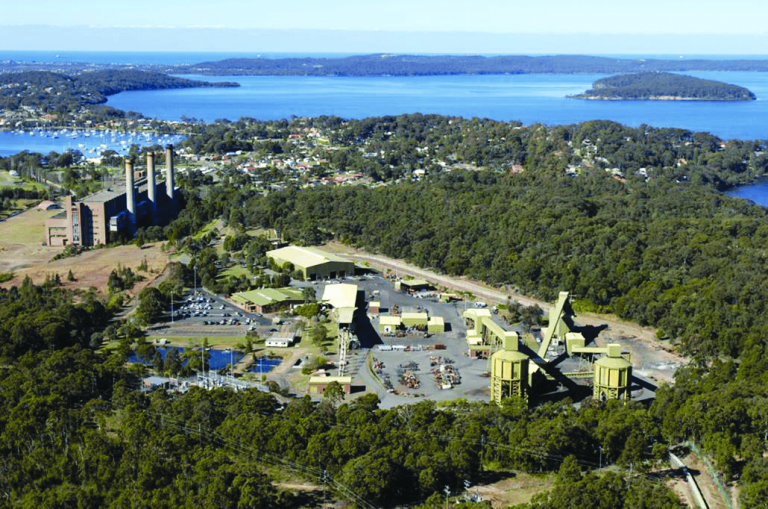
Surface Cracking Management
Mine Subsidence represents a critical challenge in underground mining, manifesting during or post-mining operations, with the potential to damage nearby structures and residences. The Company’s strategy is the implementation of proactive prevention and mitigation plans. These plans are developed based on thorough mine subsidence risk assessments and surface impact analysis. The Point Hatteras Extraction Plan is a blueprint designed to guide the mining operations with support by sophisticated modeling techniques that simulate the potential impacts. Furthermore, the Company has established a network of monitoring stations focused on tracking the width of surface cracks to prevent and halt subsidence before exceeding the maximum allowance limits.
View More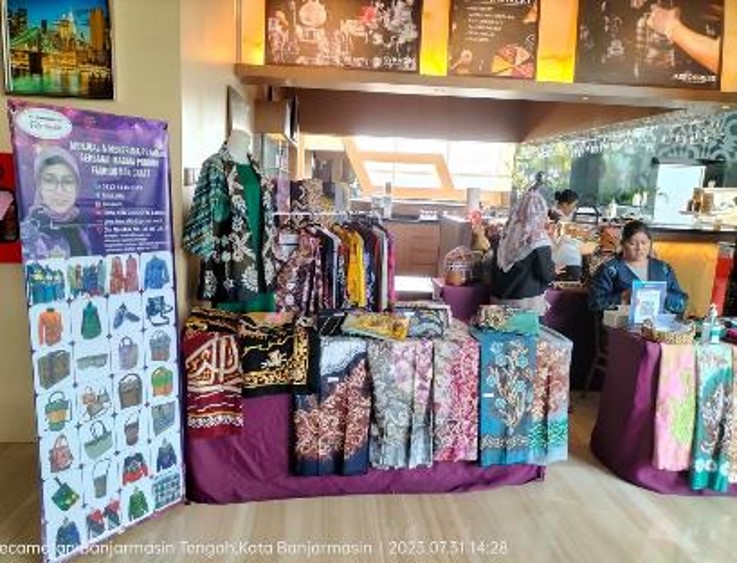
Women Empowerment in Indonesia
Since its establishment in 2019, Jorong Mine’s Sasirangan eco-print program in Indonesia has been a beacon of women’s empowerment and sustainable development. <br><br>The program is operated in partnership with the community consultative committee and involves 2 women groups that manage the activities. These groups have significantly enhanced their capabilities through knowledge sharing and technical skill training, focusing on creating eco-friendly products.<br>Sasirangan’s product line uniquely incorporates eco-print techniques using eucalyptus leaves from Jorong’s reclamation areas. In 2023, the initiative expanded its product range to include eco-print coloring material and became a local government partner in Kondang’s market, a significant step in increasing the program’s reach and impact.
View More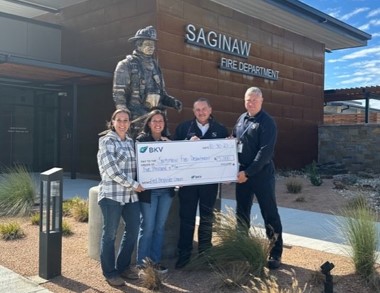
Community Engagement in the U.S.
BKV, the Company’s subsidiary in the U.S., is committed to being a positive force within society. BKV prioritizes maintaining open and honest relationships with stakeholders and is deeply committed to being engaged with the community.<br><br>In 2023, BKV launched the first “BKV First Responder Grant Program”. This initiative is designed to establish partnerships with local first responders by providing them with financial support to enhance their services. The program started with a “First Responder Lunch and Learn” event, where BKV began discussions on safety, operations, and partnership opportunities.<br><br>First Responders in the operational areas in Texas and Northeastern Pennsylvania were invited to participate by submitting a simple one-page grant application. The community relations committee then reviewed all applications and ultimately awarded a total of 8 grants in the amount of over USD 30,000.
View More
Human Rights Risk and Impact Assessment in Vietnam
In 2023, as part of a human rights due diligence process, the Company conducted a human rights risk and impact assessment for a renewable power business in Vietnam. The assessment involved a thorough data collection, including interviews with various rights holders, comprising employees, contractors, subcontractors, security guards, and local communities, as well as vulnerable groups, such as women and pregnant women. The findings from the assessment revealed that, with current control measures, most human rights issues posed low to medium risks. However, there were 6 high-impact risks that require focused attention. These areas included working conditions & equal remuneration, labor recruitment, forced labor, occupational health & safety in workplace, violence or harassment, and internal grievance mechanisms.
View More
Performance Management System
The Company’s performance management system integrates “Management by Objectives” through a balanced blend of work-related and behavior-based KPIs with a “Multidimensional Performance Appraisal” approach, inviting 360-degree feedback on work-related behaviors. In 2023, the Company applied “Team-based Performance Appraisal”, featuring a calibration process across the organization. Moreover, “Agile Conversations” are applied through mentoring programs with executives outside direct supervision.
View More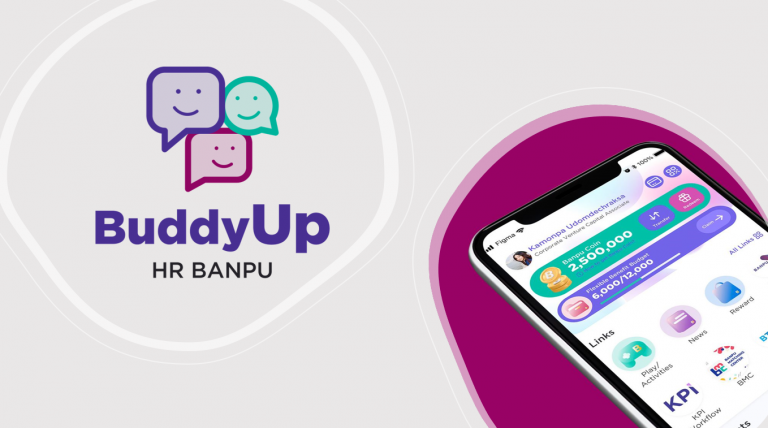
HR Technology Transformation Strategy
Recognizing the importance of technology in enhancing human resource management, the Company has embarked on a technology transformation journey, guided by the 3E2A strategy: Ecosystem, Employee Experience, Empowering, Automation, and Analytics. This approach addresses challenges like data collection and integration across countries.
View More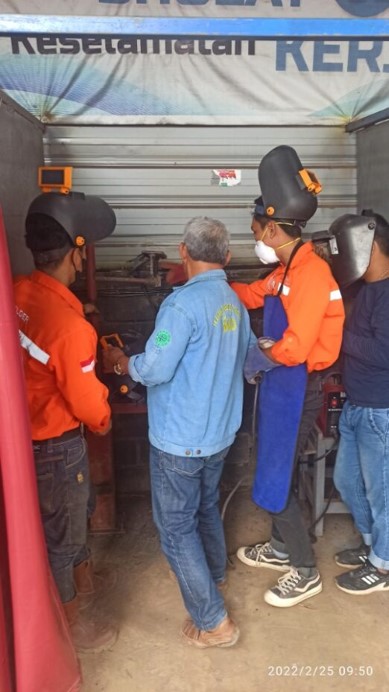
Community Capability Development in Indonesia
Indominco mine in Indonesia has proactively addressed the anticipated strong demand for local labor driven by a new capital establishment in the region. In partnership with the Bontang Welder Association and its contractors, Indominco launched an “Industry-Standard Welding Training Program.” Since 2019, 47 trainees have successfully completed this program, with an impressive 75% employment rate post-training, while 24 of these individuals are now working as contractors for Indominco.
View More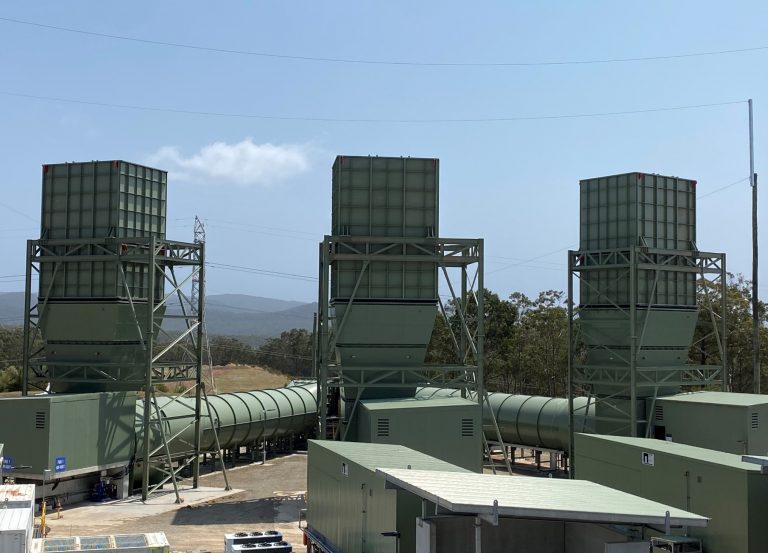
Noise Complaint Management in Australia
In 2020, Mandalong mine in Australia expanded its infrastructure by constructing the “Mandalong South Surface Site”, which included ventilation fans for future mining operations. Following community feedback regarding noise disturbance caused by these fans, Mandalong implemented a management standard that included communication with complainants, consultation with the community consultative committee, and formal reporting of the issue to state authorities.<br><br>Acting on stakeholder input, Mandalong decided to modify the fan structures to reduce noise. The modifications were completed in October 2023 and resulted in a significant decrease in noise emissions. Presently, there have been no further complaints regarding this issue.
View More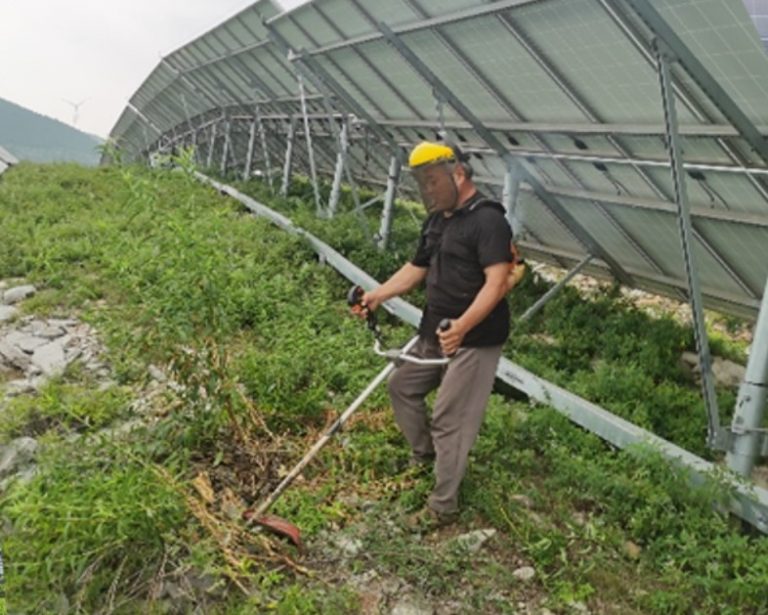
Income Generation Program in China
BIC, a subsidiary of the Company operating 7 solar power plants in China, focuses on improving community relations and enhancing quality of life, particularly for middle-aged and elderly individuals, by creating employment opportunities.<br><br>In 2023, BIC launched an income generation program at Jixin Solar Farm. This initiative successfully provided 32 beneficiaries with not only higher income opportunities but also comprehensive safety training and increased environmental awareness. The program is designed to comply with stringent environmental regulations, ensuring that the operations adhere to both local and national environmental standards.
View More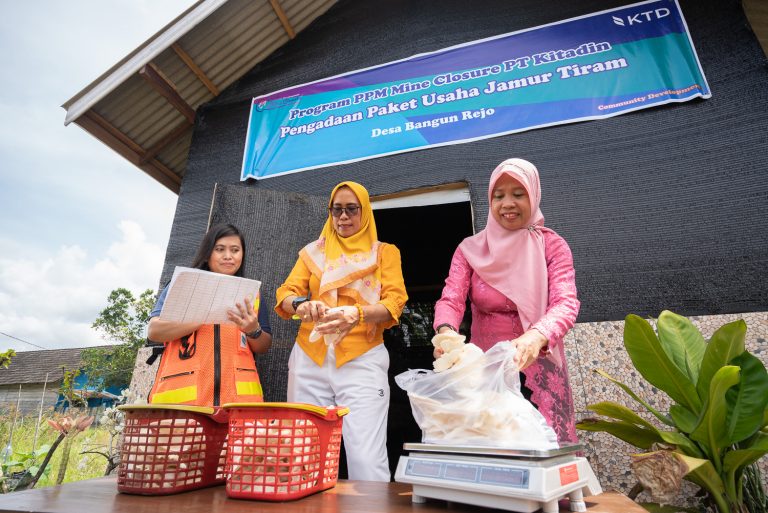
Agro-edu-tourism at Embalut
In 2023, Embalut mine in Indonesia actively supported 14 community development projects. The focus of these initiatives is on agro-edu-tourism, aimed at enhancing the livelihood and well-being of the local population. The projects included the development of fruit gardens, cattle sheds, agricultural tourism attractions, fishing ponds, and fishing points.
View More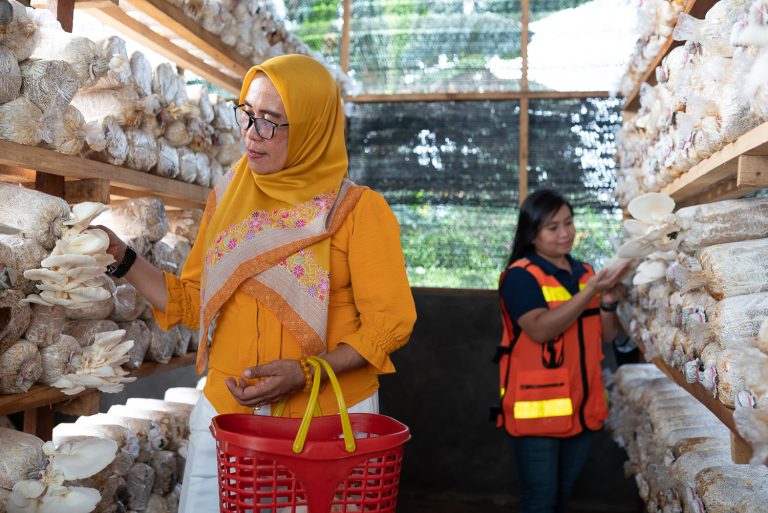
Community Activities during Mine Closure at Embalut
Embalut has taken a participatory approach to community development and empowerment programs for post-mining phase, emphasizing the potential of community-based agro-edu-tourism to sustain and enrich local livelihoods. In 2023, the Company creates a multifaceted ecosystem of sustainable development through several projects. Key among these projects were agro-edu-tourism developments, economic independence initiatives, and training programs.<br><br>Agro-edu-tourism Development: Support the development of fruit gardens, cattle sheds, agricultural tourism, fishing ponds, and fishing points.<br>Economic independence initiatives: Support the establishment of 2 women farmer groups for oyster mushroom cultivation and laying hen businesses.<br>Training programs: Organized an extensive range of skill development programs to 138 beneficiaries, covering welding, cattle breeding, agriculture, fruit plantation management, and mechanics.
View More
Banpu Heart Activities
In 2024, the Company organized a variety of activities to instill the 10 key behaviors of Banpu Heart and harmonize personal values with the business objectives. These activities are designed to enable employees to embody organizational culture and apply work values with flexibility, collaboration, and unity across diverse team.<br>• Banpu Change Leaders (BCLs) reinforcement: Elevating the network of BCLs, who are committed to fostering a global corporate culture ecosystem by promoting cultural integration across business units. In Thailand, BCLs designed activities to ensure employees' deep understanding in the corporate culture. These included script interviews and storytelling projects that featured employees from different departments working under shared values, being role models for others despite differences.<br>• Workshops and training sessions under the Bottom-Up Culture Building Policy: Strengthening teamwork and unity despite differences among colleagues.
View More
Employee Health and Well-being Programs
Banpu places strong importance on employee health and well-being in every country where we operate, aiming to foster a positive and fulfilling work environment. A range of initiatives has been implemented to address physical health, mental well-being, and work-life balance, aligned with local contexts and employee needs.
View More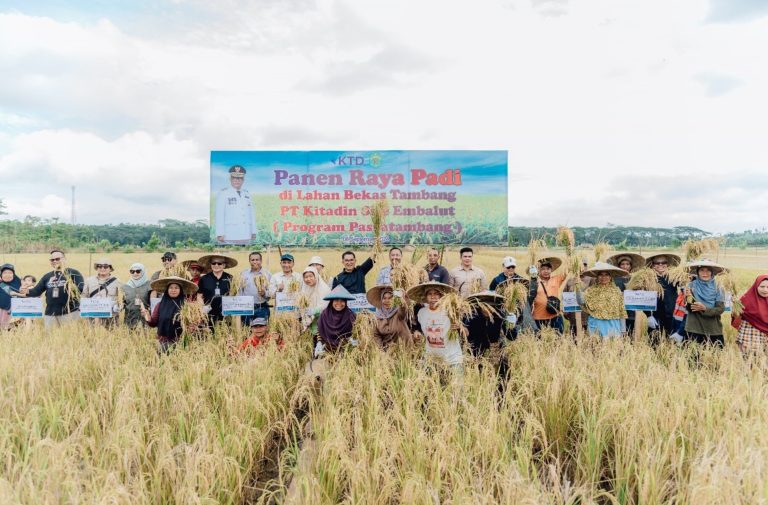
Embalut Rice Revival Project
Launched in 2021, the post-mining program at Embalut Mine has converted 74 hectares of former mining land into productive rice fields. This initiative was shaped through participatory consultations, responding to concerns from residents in the first ring of the community development area about livelihoods once the community development and empowerment program concluded. Since 2023, the program has produced over 120 tonnes of rice, including 23 tonnes of the fourth harvest in September 2024. By enhancing local welfare and creating new employment opportunities, the program has improved local economy and supports food self-sufficiency. With direct benefits reaching 148 households, the program promotes sustainable community development and contributes to national food security. This initiative stands as a model for sustainable post-mining land use and long-term community empowerment.
View More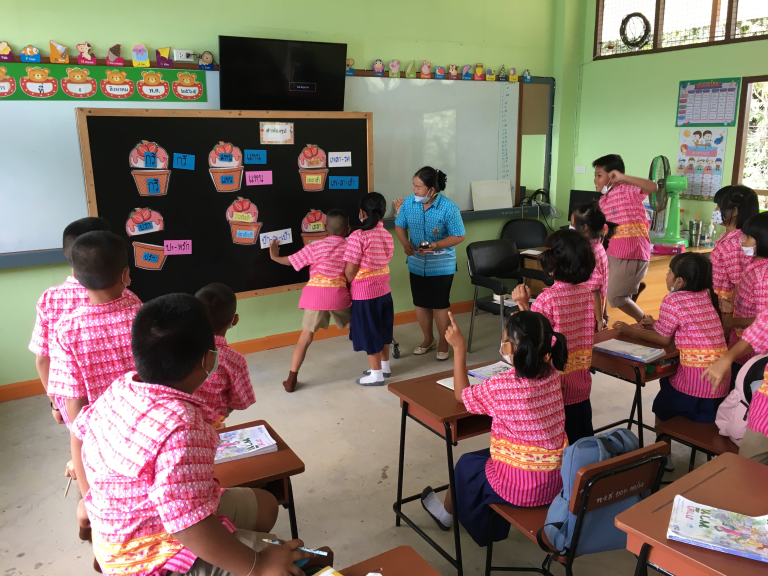
Partnership School Project: Developing Equal and Inclusive Education
Since 2019, Banpu has partnered with the Ministry of Education in the Partnership School Project, supporting 3 schools in Roi Et, Maha Sarakham, and Khon Kaen provinces. The project aims to elevate education quality in rural schools, providing students with access to high-quality education near home, and fostering greater educational equality. This initiative focuses on 6 main aspects: modern management, building strong organizational culture, enhancing teaching skills, developing students from early childhood through secondary education, promoting life and vocational skills, and creating sustainable support networks. As a result, student performance has improved, local community confidence in the schools has strengthened, and the schools have become role models, with teachers actively sharing best practices with others.
View More
Social Return on Investment
Banpu applies the Social Return on Investment (SROI) framework to measure the impact of community engagement efforts. To date, we have evaluated 7 community development programs across 4 mine sites in Indonesia. In addition, a “Maturity Measurement” approach is applied to assess the sustainability of these programs across 6 dimensions: change, inclusion, organization, cooperation, influence, and sustainability.
View More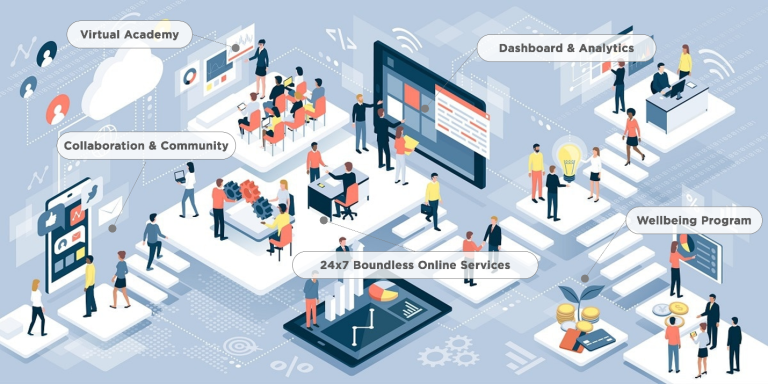
Driving Transformation through HR Digital Ecosystem
Banpu embarked on a technology transformation journey in 2023 to embrace more automated work processes. In 2024, the focus shifted toward enhancing the employee experience and leveraging data-driven analytics to strengthen collaboration, data analytics, and employee well-being across the organization in alignment with the strategic vision of the HR Digital Ecosystem.
View More
Development and Application of Artificial Intelligence (AI)
Recognizing the transformative role of AI in shaping the future of work, Banpu began integrating AI technologies in 2024 to enhance HR decision-making, employee support, and operational efficiency.
View More
Building an Inclusive Workplace through Employment of Persons with Disabilities
Banpu is committed to building an inclusive workplace by extending employment opportunities for Persons with Disabilities (PWDs). Since 2017, we have collaborated with the Social Innovation Foundation to support community-based employment for PWDs, contributing to local development and aligning with the Empowerment of Persons with Disabilities Act. We also supported the Empowerment of Persons with Disabilities Fund.
View More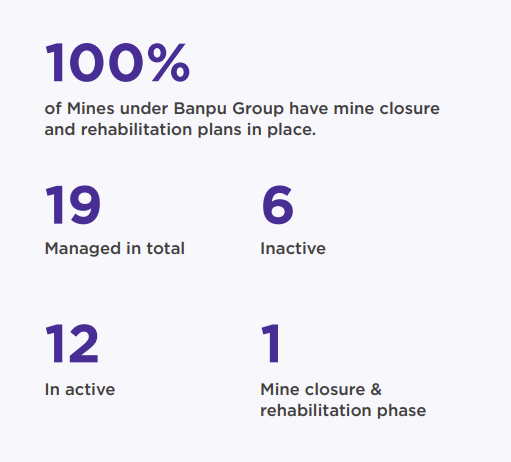
Coverage of Mine Closure Plan
As of 2024, all 19 mines under Banpu Group have established mine closure and rehabilitation plans. Of these, 12 mines remain in active operation, 6 are in project development and care & maintenance phase, and 1 site – Embalut Mine in Indonesia, is currently in the closure and rehabilitation phase.
View More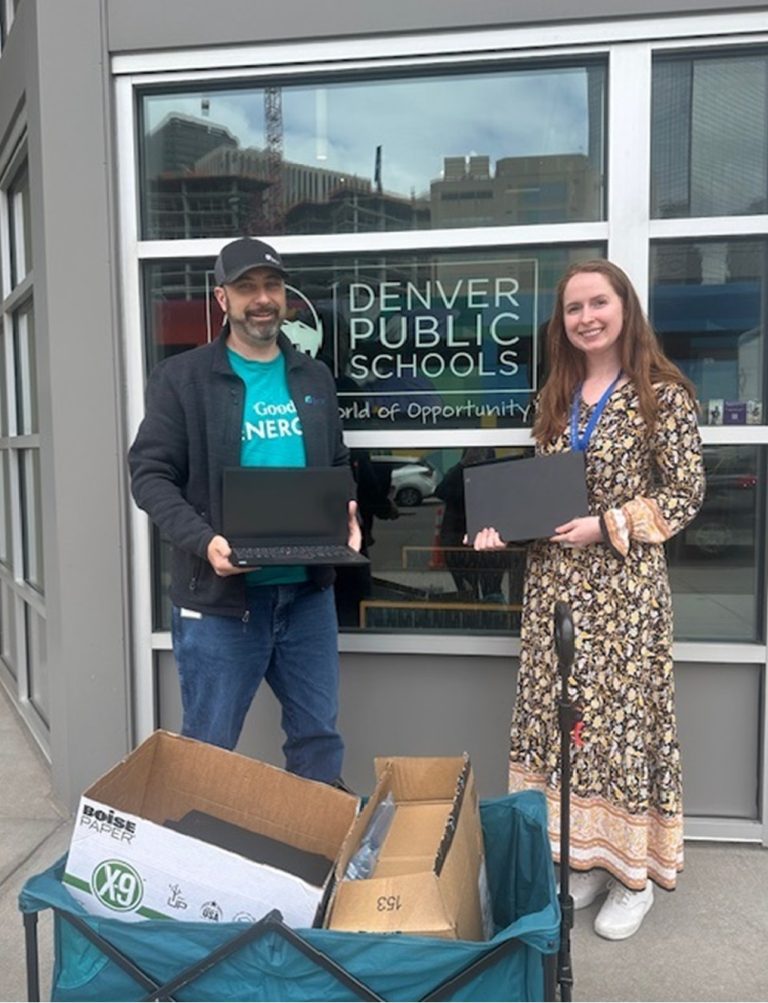
BKV Education Support
In 2024, BKV collaborated with Pascual LeDoux Academy, providing funding and volunteer support to the Denver Public School Education Foundation for advanced education initiatives. This effort aligns with its theory of change framework, CLASS (Community Leads and Students Succeed), a strategic inititative aimed at improving student and school outcomes, covering four quadrants: student and academic growth, life skills and social-emotional learning, family engagement and support, and educator leadership development across Denver Public Schools.
View More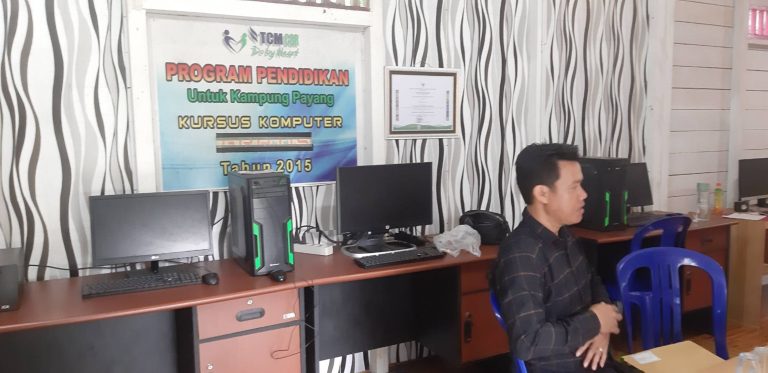
Empowering Communities through Computer Literacy Program
Trubaindo Mine assists LPK Media Citra Mandiri, a community-based computer training center in Kampung Payang, by supplying essential facilities and instructors. The computer literacy program offers free courses in Microsoft Word, Excel, and PowerPoint, and has been enthusiastically received by the local community.
View More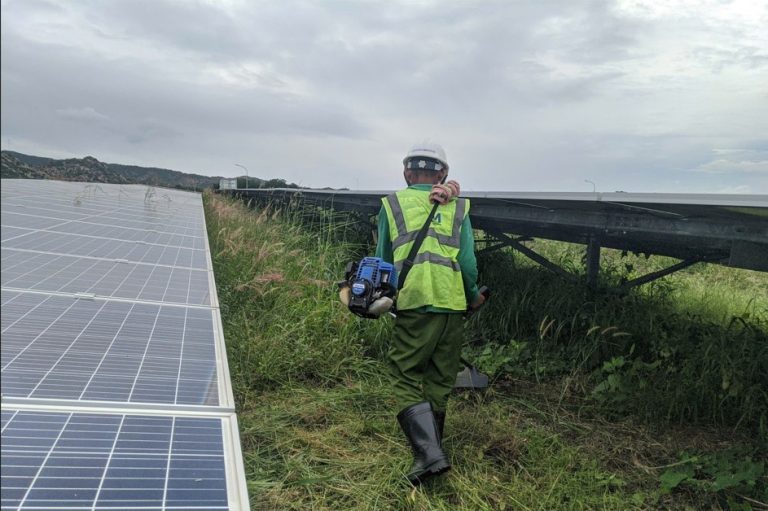
Income Generation Initiative
In Vietnam, the Company is dedicated to strengthening relationships with communities near the operations. As part of this effort, an income-generating project was launched to create job opportunities for local people surrounding the El Wind Mui Dinh Wind Power Plant and Nhon Hai Solar Power Plant. The project involves hiring local residents for grass cutting work, which helps clear roads, improves safety by reducing accident risks, and fosters positive relationships within the community.
View More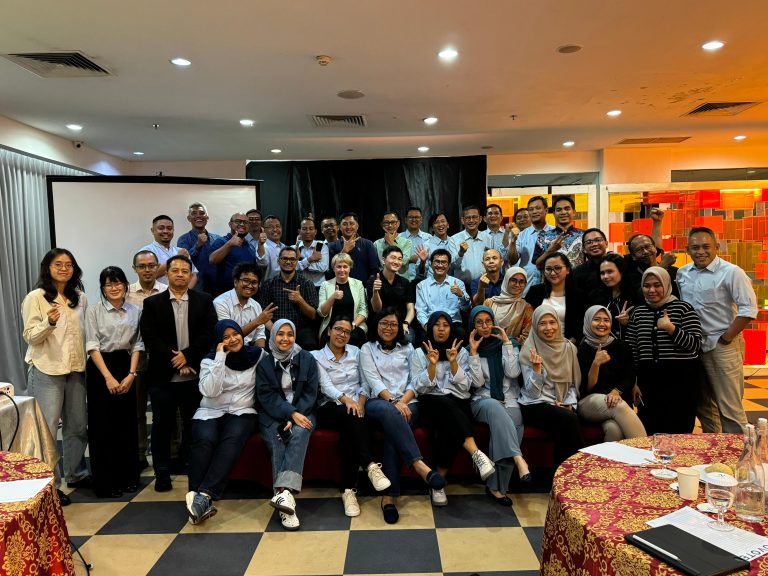
Human Rights Risk and Impact Assessment in Indonesia
In 2024, as part of our ongoing human rights due diligence efforts, the Company conducted a comprehensive human rights risk assessment as part of due diligence for our mining business in Indonesia. The assessment involved thorough data collection, including workshops, a self-assessment questionnaire, and document-based research, to identify potential human rights issues. Each issue is assessed for impact to evaluate its severity and likelihood of occurrence. The findings highlighted 6 critical risks that need to be prioritized as the highest across all or most of the sites. These include working conditions, occupational health & safety, data privacy protection, environmental health and safety, internal grievance mechanisms, and supply chain management or business partner relationships. Following this impact assessment, we developed a targeted mitigation plan for each identified risk to effectively address and reduce its potential negative consequences.
View More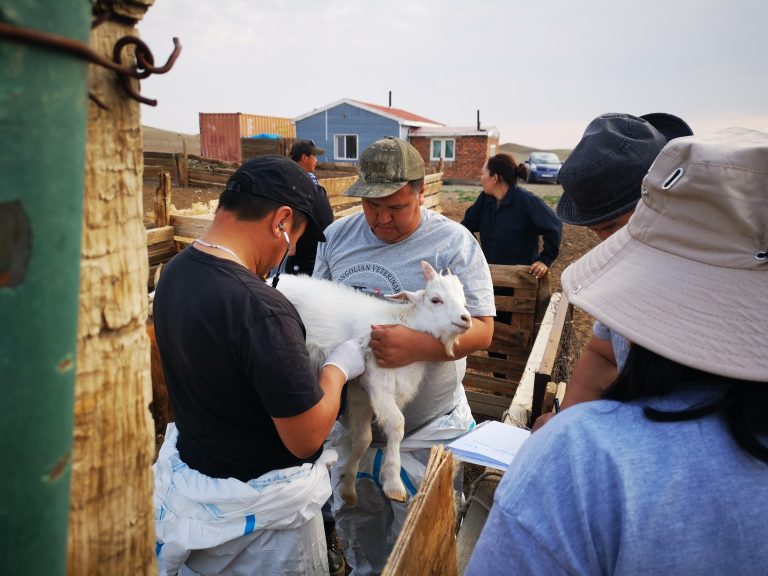
Herd Health Assessment in Mining-Adjacent Communities
Our coal mining in Mongolia is located near Nalaikh village, Bayan-Ovoo district, Umnugobi province, a remote area where livestock owners had limited access to animal health services or veterinary suppliers for several years. This created risks of livestock disease outbreaks, with potential impacts on household income and food security.<br><br>To improve economic stability for livestock owners, the Company supported USD 21,150 for fieldwork in the remote area by the Mongolian Veterinary Cooperative and the Veterinary Pharmacology Institute NGO. The program included clinical examinations of small livestock, biological sample collection for laboratory testing, post-mortem analysis, laboratory testing, data recording, and presentation of examination results to each participating household. As a result, livestock owners were able to identify diseases affecting their animals and improve access to necessary veterinary medicines and supplies. The community also gained knowledge of animal health management and disease prevention. This project strengthened collaboration among the community, research teams, and NGOs, while enhancing quality of life in a sustainable way.
View More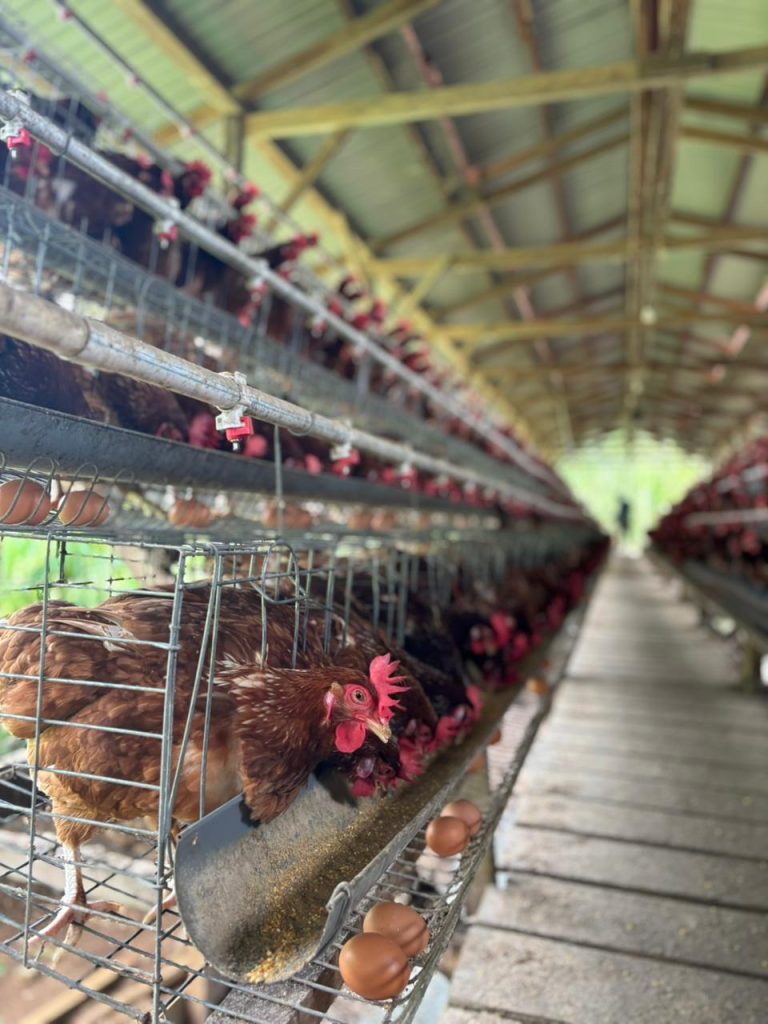
Empowering Rural Youth: The Pemuda Mandiri Besiq Layer Chicken Farming Initiative
Launched in 2020 in Besiq Village, Kutai Barat, Indonesia, the Pemuda Mandiri Besiq initiative is a community-based economic empowerment program focused on layer chicken farming, designed to strengthen youth independence and local food security. Starting with 350 chickens and expanding to 600, the program now produces approximately 510 eggs daily, supplying cooperatives, food stalls, restaurants, and households in the surrounding area. Bharinto Mine contributed USD 26,947 in 2025, bringing total support since the program’s launch to USD 61,957, and connected with corn farming for feed supply. The initiative has established an integrated value chain and a replicable community entrepreneurship model. The program’s success is driven by well-organized group governance, transparent financial management, and the development of independent market networks. Designed to remain self-sustaining beyond direct Company intervention, the program supports regional government agendas on food security and youth empowerment.
View More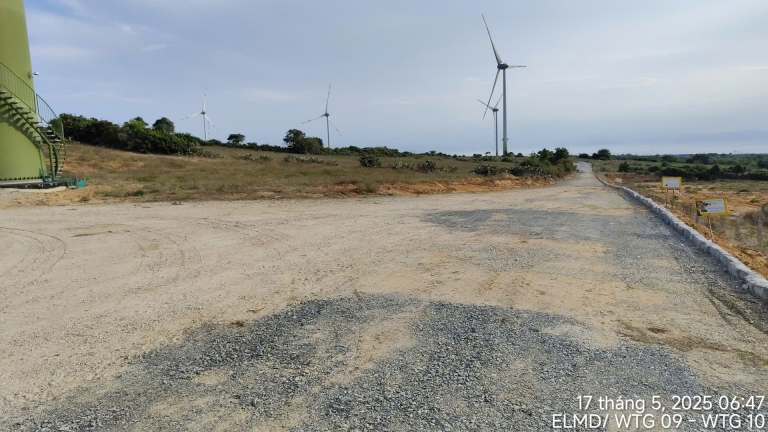
Safeguarding Community Road Safety
In Vietnam, the Company partnered with the local community to restore a critical shared access road and stabilize the surrounding land that had been weakened by severe soil corrosion. The road, which is used daily by residents, had become increasingly unsafe ahead of the approaching storm season, raising the risk of erosion, landslides, and disrupted access for nearby households. With a contribution of USD 11,385, the Company restored the shared road before the rainy season to help protect community safety and maintain access during severe weather. The project reflected the Company's commitment to enhancing the quality of life of the host communities through safer and more resilient local infrastructure.
View More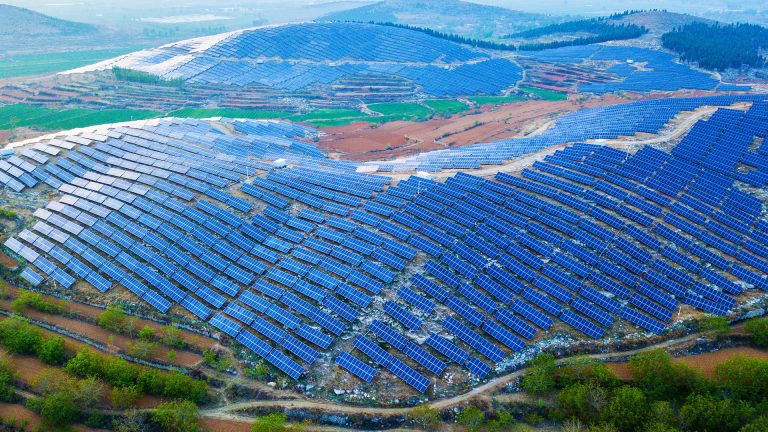
2025 Testimonial: Hao Yuan Solar Power Plant
Hao Yuan Solar Power Plant has made a meaningful contribution to improve the quality of life in our village over the past few years. Every Spring Festival, they visit and provide food for the elderly, showing genuine care for our community. After heavy rains, they have also helped repair the roads, making it easier for villagers to travel through the mountainous areas and carry out farming activities, which is greatly appreciated by the community. They have also enhanced shared community spaces, including improvements to the village plaza and the installation of street lighting—efforts that have made daily life more comfortable and secure.<br><br>They have operated with care and respect for the community, demonstrating a genuine understanding of local needs. We warmly welcome their presence and look forward to their continued success.
View More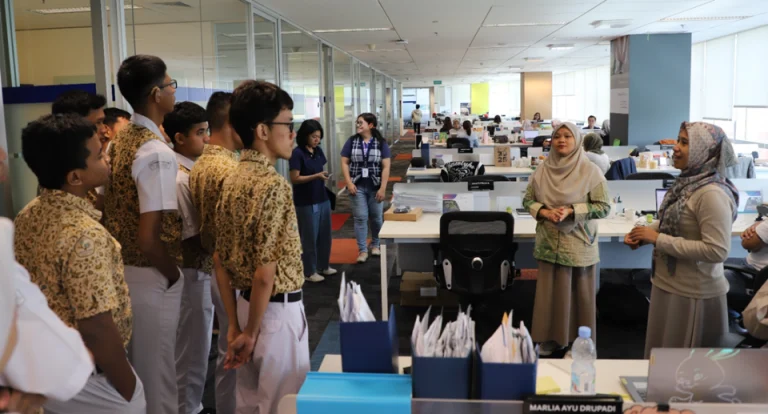
Inclusive Employment in Practice at ITM
In 2025, ITM, the Company’s subsidiary in Indonesia, continued to promote inclusive employment by employing an employee with disability in the HR Department, reflecting the Company’s commitment to equal opportunity in the workplace. To support an inclusive working environment, ITM provided mentorship and workplace guidance to support employee’s integration and development.
View More
Advancing Workforce Readiness for Transition
Banpu embeds reskilling into the Company’s Just Transition approach to prepare employees for changes driven by the energy transition and evolving business portfolio. The Company focuses on developing future-ready capabilities in digital, AI, leadership, and cross-business skills, while promoting internal mobility through redeployment, succession planning, and internal hiring for key roles.
View More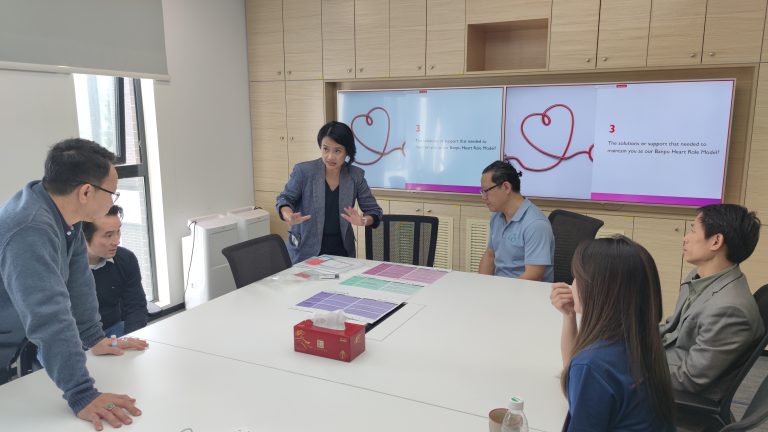
Banpu Heart in Action
Banpu Heart in Action is founded on the belief that organizational culture is not merely a set of prescribed guidelines, but a living culture that Banpu people genuinely embrace and express in everyday lives across diverse nationalities, languages, and cultures. The initiative pursues 5 key objectives: Enable leaders at all levels to integrate culture into team management; Embed the Culture Behaviors into daily practices; Connect employees across geographies as One Banpu; Establish a clear and continuous culture measurement system; and Make culture part of business strategy and sustainable growth.<br><br>Grounded in the concept of “Culture into Action,” the initiative is implemented through 4 pillars: <strong>Culture Awareness</strong> enhances employees’ understanding through gamification, classroom learning, and storytelling. <strong>Culture Role Modeling</strong> develops leaders to lead with culture by example, focusing on senior executives, Thai EXPATs, and volunteers. <strong>Culture in Action</strong> organizes workshops that reflect Banpu Heart, address real work challenges, and encourage activities by Banpu Culture Leaders. The program also expands coverage of Banpu Culture Leaders to senior management and Thai expatriates in all locations. <strong>Culture Measurement & Recognition</strong> implements a behavioral assessment and recognition system for senior executives, along with an annual survey of organizational culture and employee engagement. Survey results are analyzed to develop targeted improvement plans at the team, company, and country levels.
View MoreHuman Rights Risk and Impact Assessment
As part of our Human Rights Due Diligence (HRDD) process, the Company regularly conducts Human Rights Risk and Impact Assessments (HRRAs) across all operations and tier-1 supply chains on a three-year cycle, with a target to reach 95% coverage by 2030. Human rights issues are identified through multiple sources, including existing policies, self-assessment questionnaires, and document-based research, and further refined through workshops in which key internal stakeholders collaborated to identify human rights issues specific to their operational areas and local context. The identified risks are then assessed for potential impacts based on their severity and likelihood. This involves considering the scale, scope, and remediability, before being prioritized through a risk matrix to determine those issues posing the most significant harm and requiring immediate responses.<br><br>In 2025, the Company conducted a comprehensive HRRA at our operations in Australia and Thailand. The assessment highlighted 5 new critical risks to be prioritized as the highest across all or most sites: Psychosocial risks, Degradation of a clean and healthy environment, Absence of Free, Prior and Informed Consent (FPIC), Absence of community consultation, and Cultural heritage impacts. For each identified risk, we developed feasible mitigation strategies to effectively address and reduce potential negative consequences. Moving forward, Banpu will continue to monitor the effectiveness of these strategies as part of our HRDD cycle, ensuring continuous improvement.
View More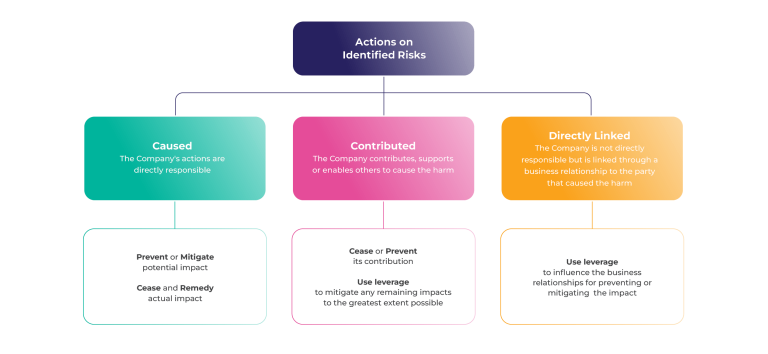
Human Rights Management in the Value Chain
The Company is committed to respecting and promoting human rights across our value chain, in line with internationally recognized standards, including the UN Guiding Principles on Business and Human Rights (UNGPs). Our approach covers our own operations, contractors, suppliers, and business partners, with human rights considerations embedded in relevant policies, codes of conduct, and management systems to ensure consistent transparency and accountability. We set clear human rights expectations through our Supplier Codes of Conduct, integrate human rights criteria into supplier selection and evaluation processes, and engage suppliers through communication and training sessions. We also collaborate with business partners and relevant stakeholders to promote alignment with our human rights standards and encourage responsible practices throughout the value chain.<br><br>The Company manages human rights risks through a risk-based and leverage-driven approach. We conduct human rights due diligence and risk assessments every 3 years, covering suppliers across all operations to identify and address potential human rights risks in the supply chain. Identified risks are assessed based on the severity and likelihood of impacts on workers, communities, and other affected stakeholders. Where human rights risks are identified within the value chain, the Company applies a structured leverage process linked to the nature of our involvement, using the “Cause/Contribute/Directly Linked framework” (CCL) framework of the UNGPs.
View More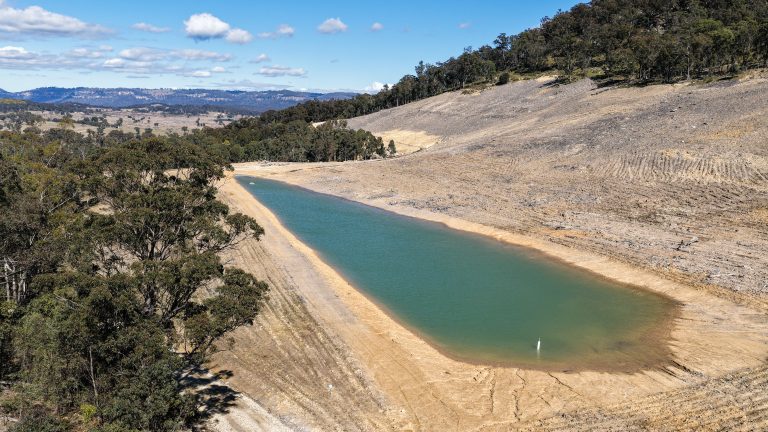
Charbon Demolition: Another Milestone in Site Rehabilitation
Charbon Site, a former underground and open-cut mining operation in New South Wales (NSW), Australia, has reached an advanced stage of rehabilitation. The Company implements demolition, rehabilitation, and closure activities in accordance with NSW regulatory requirements, approved rehabilitation plans, and community oversight, with the aim of delivering safe, stable, and non-polluting landforms suitable for agreed post-mining land use.<br><br>Infrastructure demolition and decommissioning are integrated with earthworks rehabilitation to reduce long-term environmental liabilities and enhance landform stability. Progressive rehabilitation focuses on erosion control, surface water management, and revegetation using native species consistent with local ecosystems. Approximately 68% of the total disturbance footprint is under progressive rehabilitation, and monitoring confirms stable landforms and compliance with water quality criteria. We manage rehabilitation and closure risks through our environmental management system and enterprise risk management processes, while performance is evaluated through biodiversity surveys, environmental monitoring, audits, and community consultation.
View More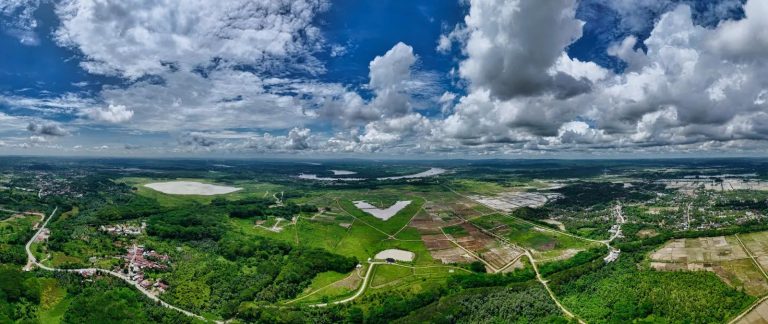
Mine Closure Activities at Embalut
Embalut Mine in Indonesia has entered its formal closure stage. In 2025, we continued to reinforce our commitment to sustainable local development by supporting 27 community development projects between 2022 and 2025, directly benefiting 6,915 individuals in surrounding areas. These initiatives, spanning income generation, health promotion, and social and cultural development, were designed in response to community needs and aimed to strengthen livelihoods and well-being both during the transition period and beyond the mine’s operational life.<br><br>To track the outcomes, we conducted a social livelihood impact assessment (SLIA) to evaluate changes in community satisfaction and well-being across neighboring villages. The assessment revealed an overall satisfaction level of 82.5%, with key findings highlighting improved household income stability, increased access to health services, and stronger community institutions.<br><br>Environmental management and revegetation activities are being carried out in compliance with an approved mine closure plan to ensure the closure and rehabilitation result in a stable and sustainable ecosystem. Key activities include land management, acid mine drainage management, and biodiversity monitoring in reclamation areas, help assess the effectiveness of ecosystem rehabilitation and support the continuous management of environmental risks.
View More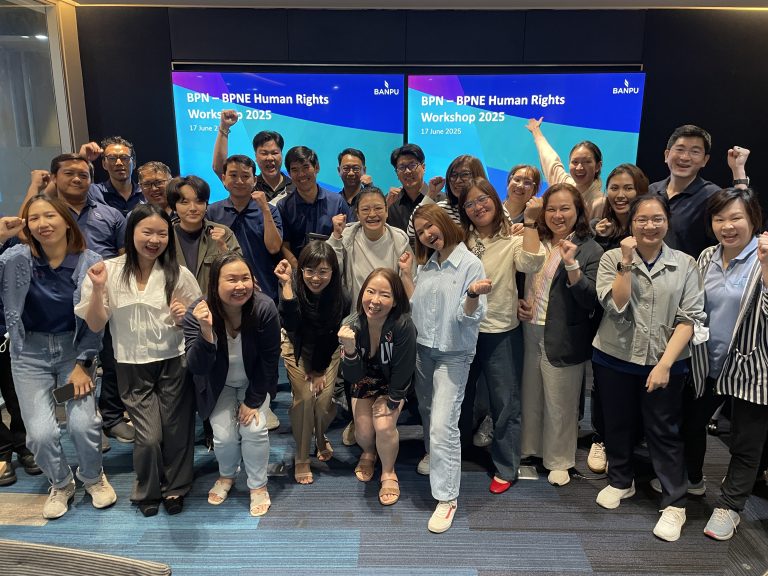
Human Rights Risk Assessment Workshop
The Company has taken meaningful steps to advance human rights across our operations through comprehensive training and workshops, particularly those conducted in Australia and Thailand in 2025. Our training programs equipped employees with deep knowledge of human rights foundation, international standards, and their respective business roles. Building on this foundation, we organized workshops in which key internal stakeholders collaborated to identify human rights issues specific to their operational and local contexts. This collaborative approach was essential for gathering accurate, on-the-ground insights that informed our assessment and prioritization of human rights risks across the Company's operations. We embed human rights consideration into every aspect of our operations by fostering a culture of respect and responsibility, prioritizing inclusivity, and engaging directly with stakeholders in the communities where we operate.
View More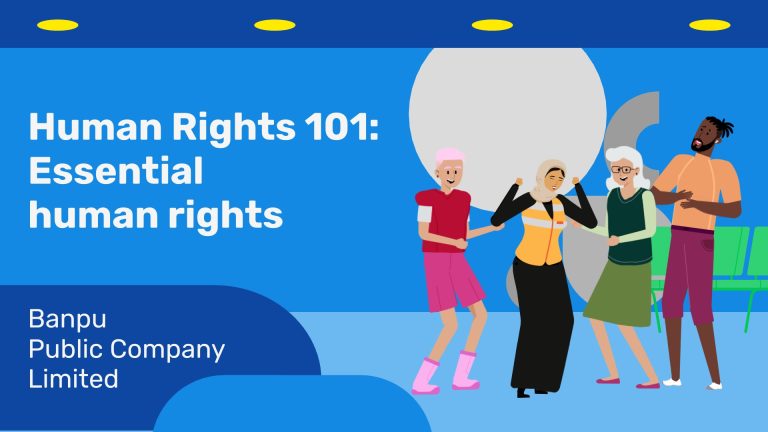
Human Rights Mandatory Training Course
The Company launched a mandatory human rights training Course, Human Rights 101, to strengthen understanding of human rights principles, internationally recognized standards, our Human Rights Policy, and human rights due diligence processes across operations and the value chain. The course was first rolled out in Thailand in 2025 as the initial phase of implementation, with plans to progressively extend it to other business units across all countries where we operate.<br><br>The course addresses key topics including human dignity, the prevention of human rights violations, grievance mechanisms, and the roles and responsibilities of employees in identifying, preventing, and mitigating potential human rights risks. It supports the integration of human rights considerations into day-to-day activities and decision-making, enhances risk awareness, and promotes a culture of respect across all functions. Course completion and quiz results are systematically tracked and recorded to ensure full compliance, evaluate training effectiveness, and inform continuous improvement of our human rights capacity-building efforts.
View More English
  Thai
Thai