


Leading the Responsible Transition with 5P·30
Banpu is shaping the future of sustainable energy through the 5P·30 ESG Strategy, guided by our theme “Leading the Responsible Transition”. The framework is executed through 5 pillars: Pathway, Planet, People, Performance, and Partnerships, driving long-term value and resilience. Explore our highlight projects to see how these pillars come to life, turning vision into action and building sustainable value for all.
Opportunity under Emission Trading Scheme (ETS) in China
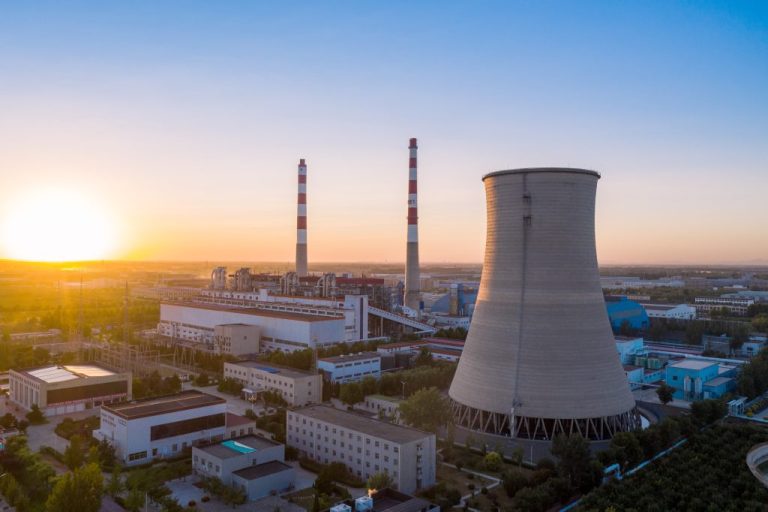
Launched in 2021, China's Emission Trading Scheme (ETS) marks a pivotal move in cutting the nation's carbon emissions. The scheme distributes emission allowances based on the power plants' generation output, with benchmark criteria that vary by fuel type and technology. It also enables companies to trade these allowances, granting them the right to emit a specific amount of carbon dioxide.
View More
Digital Twins, The Booster of CHP Greener & Smarter
As operations at Luannan Power Plant became increasingly complex, leading to several issues. One of the challenges is that the heavy reliance on individual operator experience for adjusting operational parameters. To solve the issue, the Company collaborated with a technology firm to develop a comprehensive digital system utilizing Client, Edge, Cloud, Big Data, and AI technologies. This new system can enhance overall operational efficiency by optimizing oxygen level in the combustion process, enhancing boiler efficiency and significantly reducing emissions. Compared to 2022, air emissions loading was reduced by 17%, 19%, and 16% for NOX, SOX, and PM, respectively.
View More
Waste-to-Product Initiative in Indonesia
In response to challenges in offsite landfill of non-hazardous waste at Jorong Mine, the Company initiated the Waste-to-Product Projects by integrating 3R principles (Reduce, Reuse, Recycle) to transform different waste streams into valuable products and reduce landfill dependency. Initiatives included converting paper and plastic waste into construction materials, using food waste and used cooking oil for fertilizer and soap production. Additionally, new facilities were built to support waste management operations.
View More
Slag Handling Renovation in China
Zouping Power Plant faced challenges managing slag and wastewater due to inefficient transportation and treatment processes. The long distance between boilers and dewatering bins, along with the need for multiples supporting equipment, resulted in high power consumption, increased labor demands, substantial maintenance costs, and risks of wastewater leakage. To address these issues and improve slag treatment efficiency, the plant constructed a new slag silo located between the boilers to mitigate storage constraints and reduce transportation distance. In addition, the slag conveyor system was upgraded to transport and dewater slag simultaneously.
View More
Biodiversity Management Plan in Australia
The site-specific BMP is a sub-plan of the Northern Region BMP, which all underground mine sites are required to develop based on regulatory requirements and the mitigation hierarchy. The baseline data have been collected since the pre-operational phase, covering both terrestrial and aquatic ecology. This includes ecological communities, threatened ecological communities, habitat values, groundwater dependent, threatened flora and fauna species, and riparian areas.
View More
Biodiversity Management Plan in Indonesia
All open-pit mine sites are required to develop a site-specific Biodiversity Management Plan (BMP) based on national regulatory requirements and mitigation hierarchy. The targets of these plans are developed in the form of biodiversity index achievement, ecosystem health ratings, and variety of local plant species in the reclamation area.
View More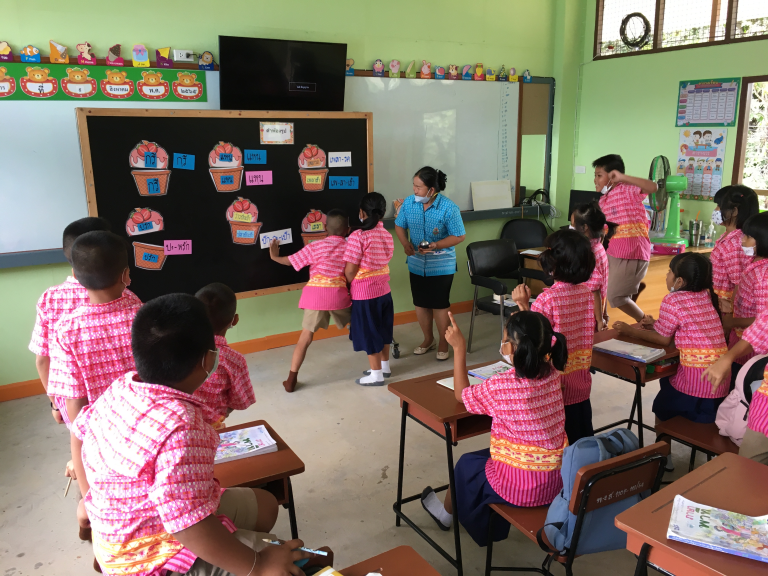
Partnership School Project: Developing Equal and Inclusive Education
Since 2019, Banpu has partnered with the Ministry of Education in the Partnership School Project, supporting 3 schools in Roi Et, Maha Sarakham, and Khon Kaen provinces. The project aims to elevate education quality in rural schools, providing students with access to high-quality education near home, and fostering greater educational equality. This initiative focuses on 6 main aspects: modern management, building strong organizational culture, enhancing teaching skills, developing students from early childhood through secondary education, promoting life and vocational skills, and creating sustainable support networks. As a result, student performance has improved, local community confidence in the schools has strengthened, and the schools have become role models, with teachers actively sharing best practices with others.
View More
Social Return on Investment
Banpu applies the Social Return on Investment (SROI) framework to measure the impact of community engagement efforts. To date, we have evaluated 7 community development programs across 4 mine sites in Indonesia. In addition, a “Maturity Measurement” approach is applied to assess the sustainability of these programs across 6 dimensions: change, inclusion, organization, cooperation, influence, and sustainability.
View More
Strengthening Safety Performance in Thailand
In Thailand, Banpu NEXT emphasizes the importance of safety for contractors, subcontractors, and relevant stakeholders by implementing the Safety Contractor Management Procedure, which focuses on communication of safety protocols, supervision, inspection, and competency evaluation. In 2024, the Company completed safety performance evaluations across 25 construction projects.<br><br>Additionally, Banpu NEXT EcoServe has continued its leadership commitment activities, Management Safety Visits, involving 30 executives and employees across 20 operating sites. These ongoing activities provide opportunities for on-site discussion, issue resolution, and knowledge-sharing, fostering a deeper understanding of safety practices. The combination of visible leadership, clear communication, and hands-on involvement further underscores the Company’s commitment to embedding safety into everyday operations.
View More
Energy Reduction from Coal Handling in Indonesia
In accommodating customer demand and blending various coal types, the utilization of Low CV coal sourced from third parties has been favored. However, this type of coal tends to cause blockages within chutes during the rainy season, disrupting the seamless transfer of coal between conveyors. Such blockages not only prolong cleanup efforts but also interrupt loading processes. Traditionally, chute blockages were managed using labor-intensive techniques like high-pressure water spraying or manual removal, which were constrained by limited staff availability.<br><br>In response to the operational inefficiencies and environmental concerns linked to excessive water usage, Bontang Coal Terminal (BoCT) in Indonesia introduced an innovative solution in March 2022: “the installation of air cannons in transfer chutes”. These cannons autonomously release periodic air blasts to clear material buildup. Since implementing this system, remarkable improvements have been observed:<br>• 80% reduction in delays and cleanup times due to chute blockages<br>• 5% increase in gross loading rate<br>• Annual reduction in energy consumption by approximately 538 MWh, leading to a decrease in GHG emissions of around 125 tCO2e per year.<br><br>These outcomes underscore the effectiveness of the air cannon system in enhancing operational efficiency while mitigating environmental impacts.
View More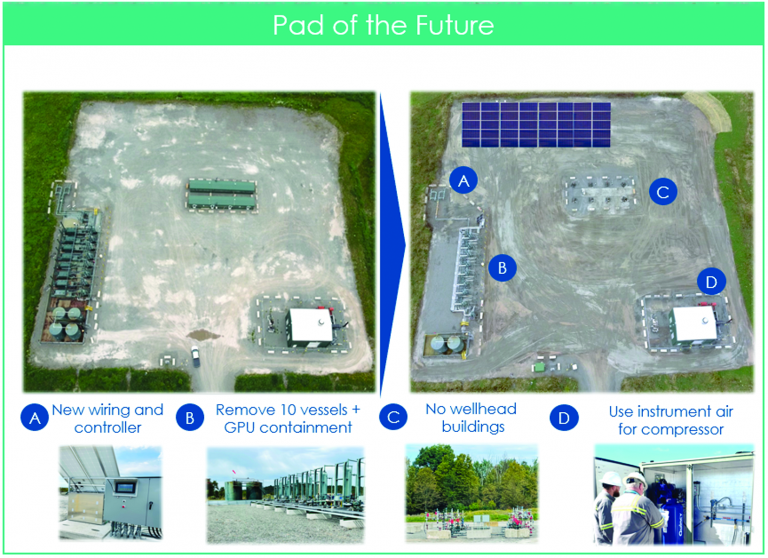
Pad of the Future
BKV, a subsidiary in the US, has taken a groundbreaking step towards decarbonization with the Pad of the Future program. This flagship initiative aims to reduce emissions within NEPA and Barnett operations by integrating operational improvements and modern technology. Launched in 2021, the program is a testament to BKV’s commitment to enhancing efficiency and minimizing carbon footprint through 4 strategic pillars:<br>• Pneumatic conversion: Convert natural gas-powered pneumatic controllers to compressed air on existing electrified pads.<br><br>• Electrification: Where feasible, electrifying pads to supplant use of natural gas in processing units and adding solar power to support pneumatic conversions from natural gas to air.<br><br>• Asset consolidation: Streamline and modernize existing pad facilities to reduce emissions caused by aging assets.<br><br>• Liquid consolidation and vapor capture: Minimize onsite storage of condensate and oil by transporting liquids rich in natural gas to centralized facilities.<br><br>With an estimated investment of 35 to 40 million USD, the program is set to impact over 6,000 of BKV’s existing wells (more than 8,000 pneumatic devices and 2,000 pneumatic pumps) by the end of 2025. To date, these efforts have led to an aggregate reduction of 515,000 tCO2e in 2023 and anticipated reduction of approximately 770,000 tCO2e by the end of 2025.
View More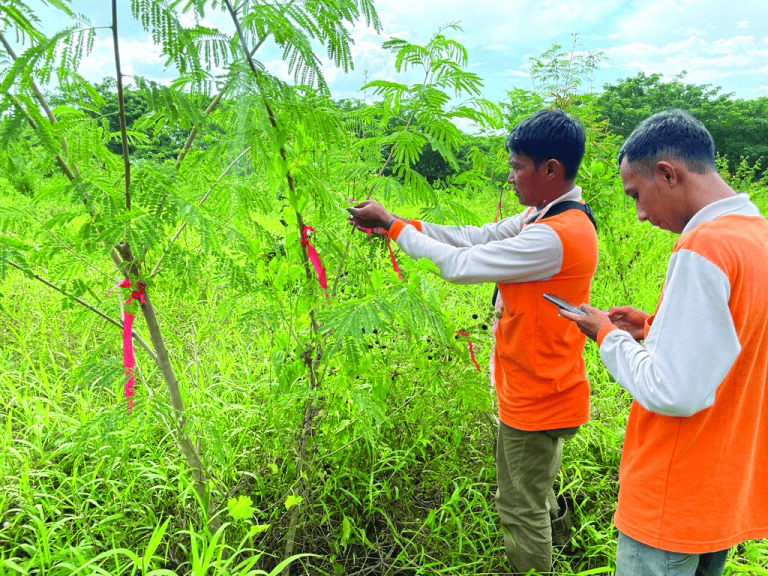
GREENCODE Digital Platform
ITM, a subsidiary in Indonesia, faced with the challenge of carbon stock data gathering from the reclamation process due to manual data collection and no standard reference. This inefficiency delayed data collection and validation.<br><br>To pursue this challenge, ITM initiated the GREENCODE project, which is a digital platform and dashboard designed to ensure the validity and visibility of carbon stock data. The project was rolled out at Embalut and Jorong mine.<br><br>The introduction of GREENCODE has significantly improved the efficiency and effectiveness of reclamation monitoring. It has also enhanced decarbonization knowledge of team members. Economically, the project has delivered tangible benefits by reducing lead time to update carbon stock data of USD 36,746 annually. The Company also potentially minimizes future carbon tax and ensures reclamation compliance.
View More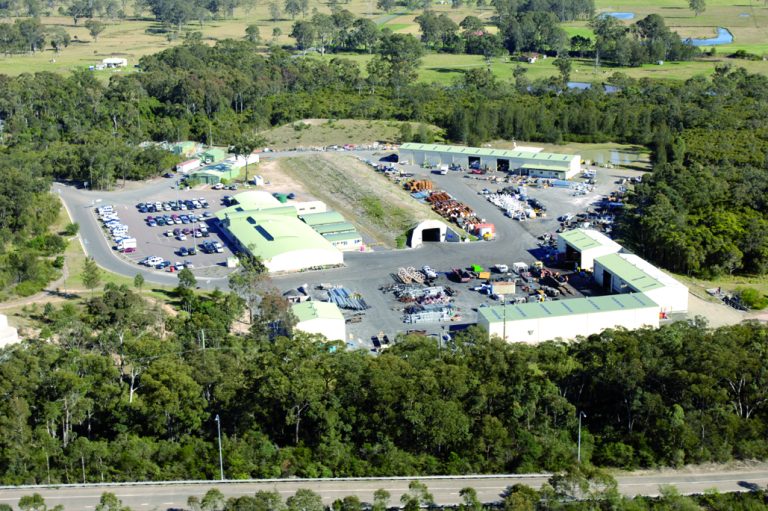
Reducing Emissions through Gas-to-Energy Initiative
Mandalong, an underground coal mine in Australia, is characterized by its complex and large-scale emissions profile. These emissions mainly come from three ventilation fans that expel air from the mine. This air carries gases released from the coal extraction process and older, sealed areas. To manage inseam gas content, the site uses a gas drainage system, which plays a crucial role in maintaining mine safety and production efficiency.
View More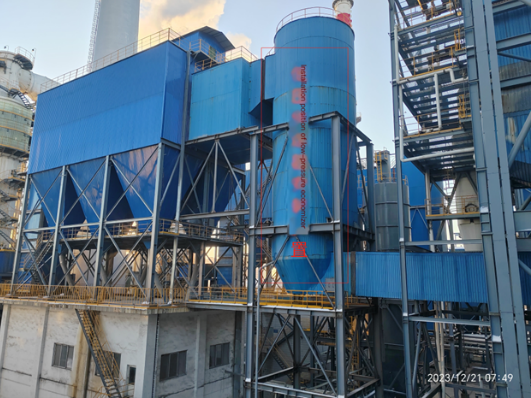
Flue Gas Heat Recovery Project at Zouping
With carbon emissions allowances for coal-fired power plants becoming increasingly stringent, reducing coal consumption while maintaining stable operational performance has become a crucial priority.
View More
Opportunity under Emission Trading Scheme (ETS) in China
Launched in 2021, China's Emission Trading Scheme (ETS) marks a pivotal move in cutting the nation's carbon emissions. The scheme distributes emission allowances based on the power plants' generation output, with benchmark criteria that vary by fuel type and technology. It also enables companies to trade these allowances, granting them the right to emit a specific amount of carbon dioxide.
View More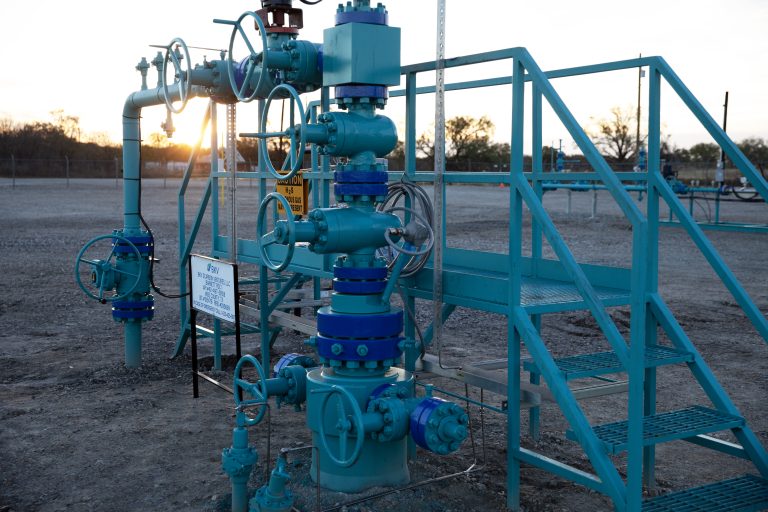
Barnett Zero, The First Carbon Capture and Sequestration (CCS) project of Banpu
The Barnett Zero Project is a Carbon Capture and Sequestration (CCS) initiative led by BKV, a subsidiary in the U.S., and EnLink Midstream. It is one of the first commercial CCS projects in the U.S., aiming to reduce CO2 emissions from natural gas production in the Barnett Shale region of Texas.
View More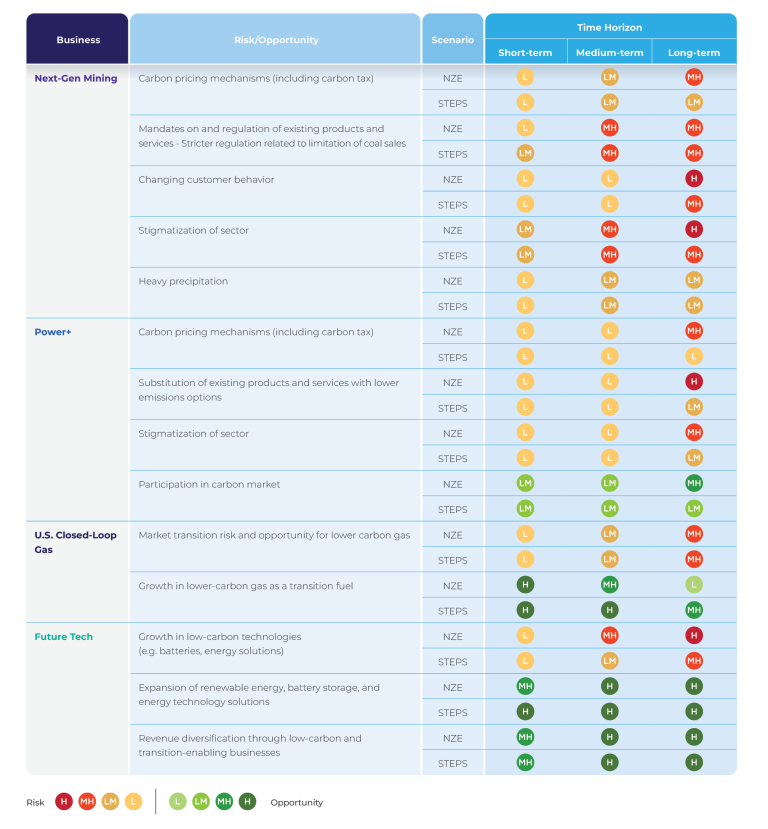
Climate Scenario Analysis
Based on transitional and physical climate scenario analysis, Banpu recognizes that our portfolio is exposed to both long-term transition pressures and increasing physical climate risks. In alignment with these recommendations, Banpu has conducted a comprehensive assessment of climate-related risks and opportunities using 4 climate scenarios:<br>• IEA Stated Policies Scenario (STEPS)<br>• IEA Net Zero Emissions (NZE) by 2050 Scenario<br>• Representative Concentration Pathway (RCP) 8.5 – High-emissions scenario<br>• Representative Concentration Pathway (RCP) 2.6 – Low-emissions scenario
View More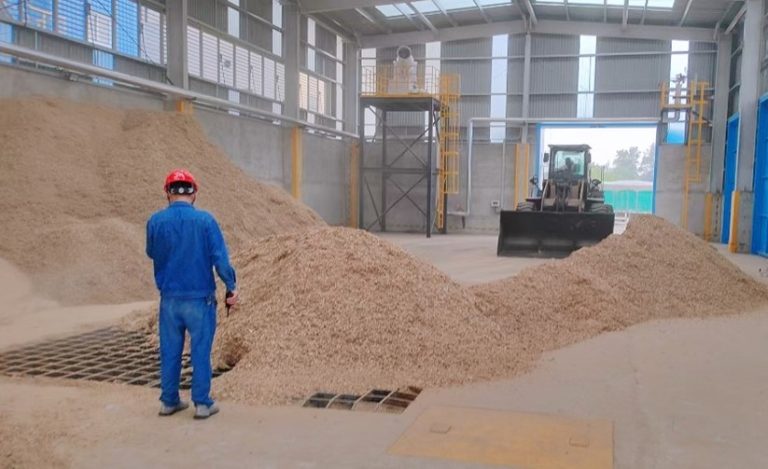
Biomass Co-firing in CHP Plant
To support China’s transition toward a green and low-carbon energy system, Zhengding became the Company’s first power plant to pilot biomass co-firing with coal. This initiative aims to lower GHG emissions intensity while generating additional revenue through the sale of GHG emission allowances. The trial demonstrated that biomass and coal can be co-fired in a stable and efficient manner without adverse impacts on plant operations.<br><br>Building on these results, Zhengding plans to gradually increase the biomass blending ratio from 2025 onward, with a target of achieving a 10% biomass mix by 2026. The project requires a one-time capital investment of USD 552,000 and annual operating expenses of USD 60,000. Once fully implemented, the initiative is expected to generate approximately USD 953,000 per year from the sale of GHG emission allowances. Beyond emissions reduction and revenue enhancement, biomass co-firing contributes to improved agricultural waste management, more efficient resource utilization, increased income for local farmers, and the development of related value chains, while supporting job creation and local economic growth.
View More
Climate Scenario Analysis
Based on transitional and physical climate scenario analysis, Banpu recognizes that our portfolio is exposed to both long-term transition pressures and increasing physical climate risks. In alignment with these recommendations, Banpu has conducted a comprehensive assessment of climate-related risks and opportunities using 4 climate scenarios:<br>• IEA Stated Policies Scenario (STEPS)<br>• IEA Net Zero Emissions (NZE) by 2050 Scenario<br>• Representative Concentration Pathway (RCP) 8.5 – High-emissions scenario<br>• Representative Concentration Pathway (RCP) 2.6 – Low-emissions scenario
View More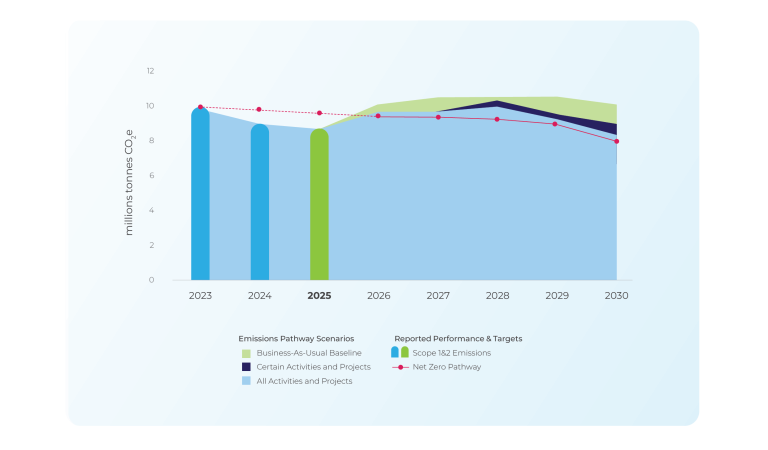
Climate-Related Targets and Net Zero Ambition
Banpu has committed to achieving Net Zero greenhouse gas (GHG) emissions for Scope 1 and Scope 2 by 2050, with an interim target to reduce absolute Scope 1 and 2 emissions at least 20% by 2030 from a 2023 baseline. The pathway and interim targets were stress‑tested against 1.5 °C‑aligned scenarios, including the IEA NZE scenario, to assess consistency with required decarbonization rates and to identify execution and dependency risks. Alongside these emissions targets, Banpu has set a portfolio transition target for more than 50% of our EBITDA to come from non-coal businesses by 2030. Target and disclosures are developed in alignment with IFRS S2 disclosure principles. In addition, Banpu is expanding our Scope 3 inventory to cover all material categories. This will establish a robust baseline to assess the feasibility of setting a Scope 3 reduction target in future reporting cycles.<br><br>To ensure the credibility and integrity of our decarbonization pathway, Banpu engaged an independent third party to assess the technical feasibility and practicality of the planned initiatives under both certain activities and projects, and all activities and projects scenarios. The independent review concluded that the pathway is technically feasible, subject to the timely execution of the identified initiatives and the establishment of supporting enabling conditions. Banpu treats this independent assessment as a baseline rather than a one-time exercise. Targets and the underlying pathway will be reviewed periodically against evolving climate science, regulatory expectations, and operational performance.<br><br>Beyond 2030, Banpu aims to achieve Net Zero emissions by 2050 by prioritizing absolute emission reductions over offsetting. The investment decisions are screened using an internal carbon price to reflect the long-term cost of emissions in capital allocation. Residual emissions that cannot be abated within the target horizon will be addressed through a hierarchy of approaches, prioritizing engineered and nature-based removals that meet recognized quality criteria, with verified offsets used only where removals are not yet available at scale. Offset and removal credits will be sourced from projects certified under leading standards and assessed against recognized integrity frameworks.
View More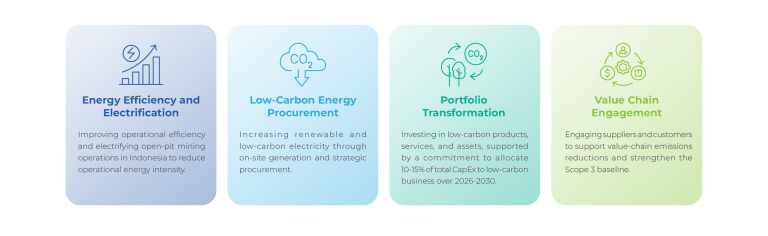
Climate Transition Plan
Banpu’s climate transition plan outlines how the Company will achieve Net Zero Scope 1 and 2 emissions by 2050, with an interim target to reduce absolute Scope 1 and 2 emissions at least 20% by 2030 from a 2023 baseline. The plan sets out governance, implementation levers, capital allocation, scenario testing, and monitoring arrangements, and is reviewed and updated annually.<br><br>Climate strategy oversight is provided by the Board-level ESG Committee, which quarterly reviews strategy, targets, and progress. The CEO is accountable for execution, supported by the Climate Change Committee, which coordinates deliverables across business units, monitors implementation, escalates material issues to the Board, and ensures alignment with IFRS S2 disclosure expectations. Progress toward the 2030 target is driven by four primary levers.<br><br><strong>• Energy Efficiency and Electrification:</strong> Improving operational efficiency and electrifying open-pit mining operations in Indonesia to reduce operational energy intensity.<br><strong>• Low-Carbon Energy Procurement:</strong> Increasing renewable and low-carbon electricity through on-site generation and strategic procurement.<br><strong>• Portfolio Transformation:</strong> Investing in low-carbon products, services, and assets, supported by a commitment to allocate 10-15% of total CapEx to low-carbon business over 2026-2030.<br><strong>• Value Chain Engagement:</strong> Engaging suppliers and customers to support value-chain emissions reductions and strengthen the Scope 3 baseline.
View More
Water Treatment System Optimization in China
At Zouping power plant in China, the Company faced significant challenges due to high water consumption of demineralized water used as boiler feed water, coupled with bacterial colonies in the raw water that blocked membrane modules and reduced water treatment capacity by 15%.<br><br>To address these challenges, Zouping embarked on an initiative to optimize the water treatment processes. This involved the optimization of chemical agents and the expansion of water outlets. Extensive research was undertaken to identify the most effective chemical agents for wastewater treatment and alternative solutions for defluoridation systems. <br><br>Key Achievements from the Optimization Include:<br>· Increased recovery rate of reverses osmosis (RO) systems from 70.5% to 72.5%<br>· Extended cleaning cycle of RO units from 10 days to 50 days<br>· Prolonged service life of membrane elements doubled from 4 years to 8 years<br>· Saved approximately 56,000 tonnes of boiler feed water<br>· Saved USD 120,000 in operational and maintenance costs and additional USD 370,000 in defluoridation equipment costs
View More
Coal Handling Optimization in Indonesia
At Bontang Coal Terminal (BoCT) in Indonesia, coal spillage along the ship loading process has been identified as a critical issue. This challenge not only leads to the port’s cleanliness but also poses environmental risks to the surrounding community and incures significant management costs. In response, BoCT embarked the “Reuse coal spillage project” by blending spilled coal back into the shipment.<br><br>This project kicks off with a comprehensive data collection utilizing a digital application. The execution phase ensures the careful integration of spillage coal back into the shipment process. This approach has led to a reduction of coal spillage dumping and conserved 4,386 tonnes of natural coal annually. Moreover, it has significantly reduced dust emissions and contamination in soil and water, thereby lowering community complaints. Financially, the project has delivered substantial economic advantages, generating additional coal revenue of USD 477,850 and reducing coal spillage management costs by USD 15,052 each year.
View More
Minimize Waste to Landfill by Reusing as Alternative Fuel in China
In 2021, the rising coal price broke through historical record, and low-price coal could not be purchased in local market in China. To pursue this challenge, Zouping power plant looked for an opportunity to use non-coal fuel as raw materials in the power plant and found that characteristics and prices of some industrial wastes such as activated carbon in Zouping area are appropriate for burning. Trial burning of mixed coal and solid waste was conducted in a boiler to find appropriate types and amounts of solid wastes as well as blending ratios before extending to all boilers for mixed combustion test.<br><br>This conserved raw coal from burning and facilitated activated carbon disposal 9,337 tons in 2022. Moreover, in terms of social benefit, this enhanced customer satisfaction owing to positive contribution to guarantee the heat and power supply at high coal price condition as well as improved community satisfaction from facilitating industrial waste management, especially activated carbon in the area. Apart from those, the Company also earned economic benefit from saving coal burning cost and additional income from fly ash selling due to increasing of fly ash yield USD 5,775,468 as well as increased business agility and flexibility on high coal price situation.
View More
Water Reduction Initiative in China
Following the shutdown of groundwater wells, Zhengding Power Plant in China shifted its water source from groundwater to surface water, leading to increased water withdrawal costs. To optimize operations and reduce electricity generation costs, the plant launched an innovation program focused on reducing water consumption and recovering waste heat. This process involved internal workshops, water quality analysis, and project planning. As a result, the plant constructed the water recovery pipelines and installed pumps at the chemical plant and cooling tower to recirculate and reuse blowdown water within the operational process.
View More
Arboretum 30 Gemilang and Arboretum Kanahuang Project
The Arboretum Project has been established by Indominco Mine in Indonesia. This project is a multi-functional initiative designed to enhance biodiversity conservation and provide additional value through scientific research, education, tourism, and recreational activities. The Indominco Arboretum is divided into several zones, each serving different functions.
View More
Digital Twins, The Booster of CHP Greener & Smarter
As operations at Luannan Power Plant became increasingly complex, leading to several issues. One of the challenges is that the heavy reliance on individual operator experience for adjusting operational parameters. To solve the issue, the Company collaborated with a technology firm to develop a comprehensive digital system utilizing Client, Edge, Cloud, Big Data, and AI technologies. This new system can enhance overall operational efficiency by optimizing oxygen level in the combustion process, enhancing boiler efficiency and significantly reducing emissions. Compared to 2022, air emissions loading was reduced by 17%, 19%, and 16% for NOX, SOX, and PM, respectively.
View More
Waste-to-Product Initiative in Indonesia
In response to challenges in offsite landfill of non-hazardous waste at Jorong Mine, the Company initiated the Waste-to-Product Projects by integrating 3R principles (Reduce, Reuse, Recycle) to transform different waste streams into valuable products and reduce landfill dependency. Initiatives included converting paper and plastic waste into construction materials, using food waste and used cooking oil for fertilizer and soap production. Additionally, new facilities were built to support waste management operations.
View More
Slag Handling Renovation in China
Zouping Power Plant faced challenges managing slag and wastewater due to inefficient transportation and treatment processes. The long distance between boilers and dewatering bins, along with the need for multiples supporting equipment, resulted in high power consumption, increased labor demands, substantial maintenance costs, and risks of wastewater leakage. To address these issues and improve slag treatment efficiency, the plant constructed a new slag silo located between the boilers to mitigate storage constraints and reduce transportation distance. In addition, the slag conveyor system was upgraded to transport and dewater slag simultaneously.
View More
Biodiversity Management Plan in Australia
The site-specific BMP is a sub-plan of the Northern Region BMP, which all underground mine sites are required to develop based on regulatory requirements and the mitigation hierarchy. The baseline data have been collected since the pre-operational phase, covering both terrestrial and aquatic ecology. This includes ecological communities, threatened ecological communities, habitat values, groundwater dependent, threatened flora and fauna species, and riparian areas.
View More
Arboretum 30 Gemilang and Arboretum Kanahuang Project
The Arboretum Project has been established by Indominco Mine in Indonesia. This project is a multi-functional initiative designed to enhance biodiversity conservation and provide additional value through scientific research, education, tourism, and recreational activities. The Indominco Arboretum is divided into several zones, each serving different functions.
View More
Biodiversity Management Plan in Australia
The site-specific BMP is a sub-plan of the Northern Region BMP, which all underground mine sites are required to develop based on regulatory requirements and the mitigation hierarchy. The baseline data have been collected since the pre-operational phase, covering both terrestrial and aquatic ecology. This includes ecological communities, threatened ecological communities, habitat values, groundwater dependent, threatened flora and fauna species, and riparian areas.
View More
Biodiversity Management Plan in Indonesia
All open-pit mine sites are required to develop a site-specific Biodiversity Management Plan (BMP) based on national regulatory requirements and mitigation hierarchy. The targets of these plans are developed in the form of biodiversity index achievement, ecosystem health ratings, and variety of local plant species in the reclamation area.
View More
IUCN Red List
Each year, the Company identifies the species that inhabit areas surrounding our operations and assesses the level of threat these species might face, particularly with reference to the IUCN Red List. This information forms the foundation for crafting strategies aimed at minimizing the impact of our operations on local wildlife and ecosystems.
View More
Biodiversity Impact Assessment
The Company assesses biodiversity-related dependencies, impacts, risks, and opportunities through a science-based process that covers all relevant activities across the full asset lifecycle. The process begins with initial screening to identify potential biodiversity impacts across our operations. Then, detailed biodiversity assessments are conducted by identifying interactions with terrestrial, freshwater, and marine ecosystems, using recognized assessment methodologies and spatial data on sensitive, protected, and high-biodiversity value areas.
View More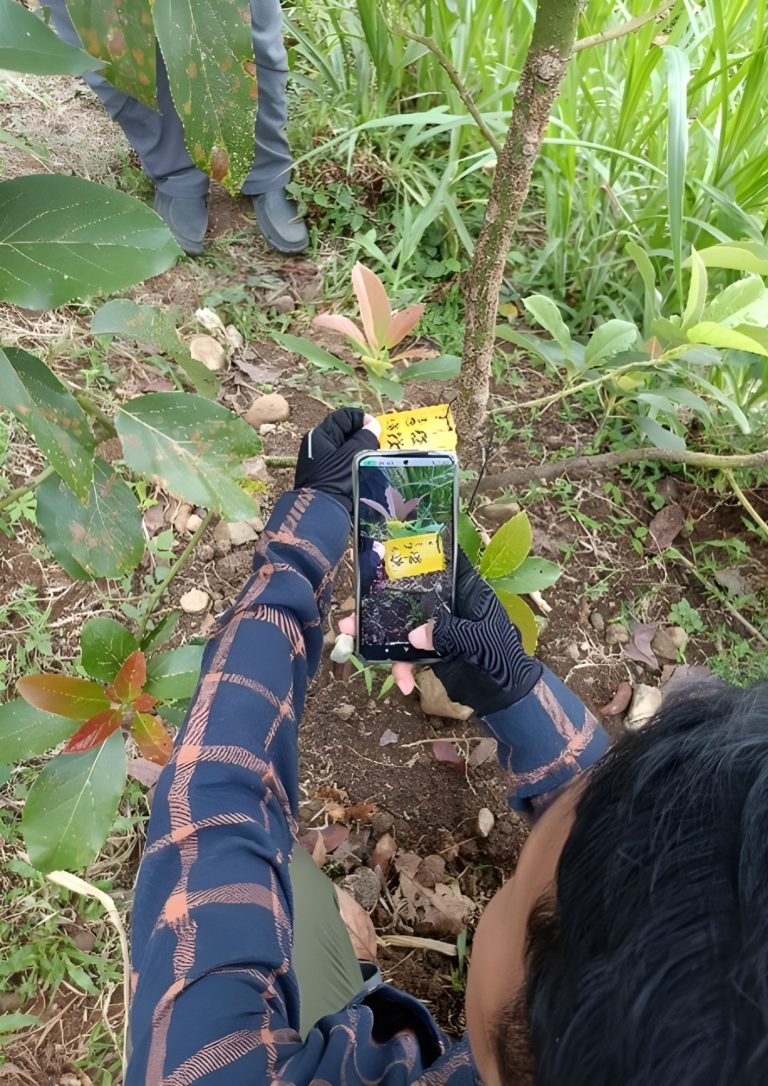
Geotagging Information System for Watershed Rehabilitation at Bharinto Mine
To strengthen transparency and regulatory compliance in watershed rehabilitation, Bharinto Mine in Indonesia developed SITANAM, a web-based and mobile application for individual plant-level geotagging and monitoring. This initiative supports regulatory requirements from the Financial Audit Agency and the Ministry of Environment and Forestry of the Republic of Indonesia, which require 100% geotagged photographic documentation.
View More
Coal Handling Optimization in Indonesia
At Bontang Coal Terminal (BoCT) in Indonesia, coal spillage along the ship loading process has been identified as a critical issue. This challenge not only leads to the port’s cleanliness but also poses environmental risks to the surrounding community and incures significant management costs. In response, BoCT embarked the “Reuse coal spillage project” by blending spilled coal back into the shipment.<br><br>This project kicks off with a comprehensive data collection utilizing a digital application. The execution phase ensures the careful integration of spillage coal back into the shipment process. This approach has led to a reduction of coal spillage dumping and conserved 4,386 tonnes of natural coal annually. Moreover, it has significantly reduced dust emissions and contamination in soil and water, thereby lowering community complaints. Financially, the project has delivered substantial economic advantages, generating additional coal revenue of USD 477,850 and reducing coal spillage management costs by USD 15,052 each year.
View More
Minimize Waste to Landfill by Reusing as Alternative Fuel in China
In 2021, the rising coal price broke through historical record, and low-price coal could not be purchased in local market in China. To pursue this challenge, Zouping power plant looked for an opportunity to use non-coal fuel as raw materials in the power plant and found that characteristics and prices of some industrial wastes such as activated carbon in Zouping area are appropriate for burning. Trial burning of mixed coal and solid waste was conducted in a boiler to find appropriate types and amounts of solid wastes as well as blending ratios before extending to all boilers for mixed combustion test.<br><br>This conserved raw coal from burning and facilitated activated carbon disposal 9,337 tons in 2022. Moreover, in terms of social benefit, this enhanced customer satisfaction owing to positive contribution to guarantee the heat and power supply at high coal price condition as well as improved community satisfaction from facilitating industrial waste management, especially activated carbon in the area. Apart from those, the Company also earned economic benefit from saving coal burning cost and additional income from fly ash selling due to increasing of fly ash yield USD 5,775,468 as well as increased business agility and flexibility on high coal price situation.
View More
Waste-to-Product Initiative in Indonesia
In response to challenges in offsite landfill of non-hazardous waste at Jorong Mine, the Company initiated the Waste-to-Product Projects by integrating 3R principles (Reduce, Reuse, Recycle) to transform different waste streams into valuable products and reduce landfill dependency. Initiatives included converting paper and plastic waste into construction materials, using food waste and used cooking oil for fertilizer and soap production. Additionally, new facilities were built to support waste management operations.
View More
Slag Handling Renovation in China
Zouping Power Plant faced challenges managing slag and wastewater due to inefficient transportation and treatment processes. The long distance between boilers and dewatering bins, along with the need for multiples supporting equipment, resulted in high power consumption, increased labor demands, substantial maintenance costs, and risks of wastewater leakage. To address these issues and improve slag treatment efficiency, the plant constructed a new slag silo located between the boilers to mitigate storage constraints and reduce transportation distance. In addition, the slag conveyor system was upgraded to transport and dewater slag simultaneously.
View More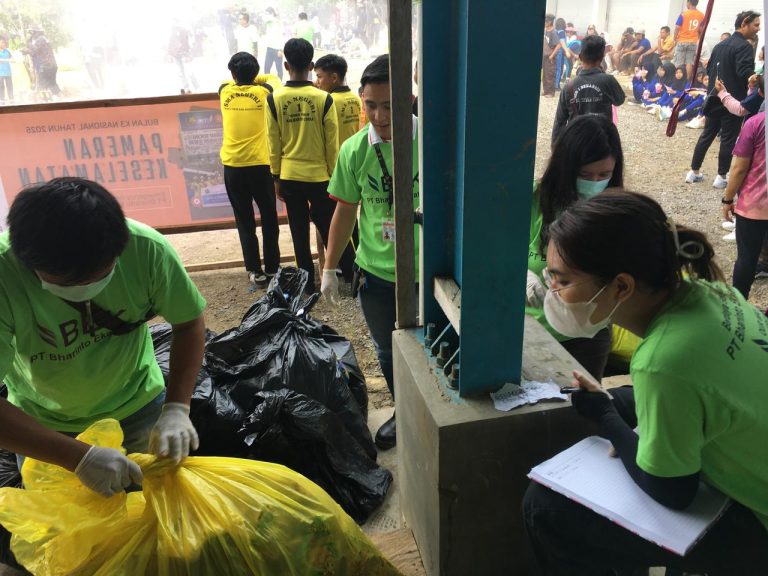
Waste Bank Program in Indonesia
At Bharinto mine in Indonesia, most recyclable waste had previously been disposed of in the onsite landfill, and this practice was not aligned with government policy for long-term waste management. Local communities also expressed a strong demand for Bharinto to provide a platform for exchanging recyclable materials. In response, Bharinto launched the Waste Bank Program (BASARUAN) in collaboration with the local government waste bank. The program involves communicating program details, including recyclable waste types, pricing, and collection schedules, to employees, contractors, and community members; receiving and sorting recyclables from all stakeholders; transporting them to a local waste bank for sale; distributing the proceeds back to contributors as incentives; and continuously monitoring the system to ensure circularity. (Reuse/Recyling)
View More
Waste-Stream Mapping
Banpu has implemented waste-stream mapping across the full value chain, covering upstream activities, own operations, and downstream processes, to systematically identify waste generation points, waste management practices, and associated risks. This mapping supports strategic planning and the advancement of circular economy practices by prioritizing waste prevention and resource efficiency. Where waste generation is unavoidable, potential waste is reused, recycled, or recovered as secondary materials wherever feasible, while residual waste is managed through environmentally sound treatment and disposal methods, including incineration and qualified landfill, in compliance with applicable regulations and best practices.
View More
Digital Twins, The Booster of CHP Greener & Smarter
As operations at Luannan Power Plant became increasingly complex, leading to several issues. One of the challenges is that the heavy reliance on individual operator experience for adjusting operational parameters. To solve the issue, the Company collaborated with a technology firm to develop a comprehensive digital system utilizing Client, Edge, Cloud, Big Data, and AI technologies. This new system can enhance overall operational efficiency by optimizing oxygen level in the combustion process, enhancing boiler efficiency and significantly reducing emissions. Compared to 2022, air emissions loading was reduced by 17%, 19%, and 16% for NOX, SOX, and PM, respectively.
View More
Water Treatment System Optimization in China
At Zouping power plant in China, the Company faced significant challenges due to high water consumption of demineralized water used as boiler feed water, coupled with bacterial colonies in the raw water that blocked membrane modules and reduced water treatment capacity by 15%.<br><br>To address these challenges, Zouping embarked on an initiative to optimize the water treatment processes. This involved the optimization of chemical agents and the expansion of water outlets. Extensive research was undertaken to identify the most effective chemical agents for wastewater treatment and alternative solutions for defluoridation systems. <br><br>Key Achievements from the Optimization Include:<br>· Increased recovery rate of reverses osmosis (RO) systems from 70.5% to 72.5%<br>· Extended cleaning cycle of RO units from 10 days to 50 days<br>· Prolonged service life of membrane elements doubled from 4 years to 8 years<br>· Saved approximately 56,000 tonnes of boiler feed water<br>· Saved USD 120,000 in operational and maintenance costs and additional USD 370,000 in defluoridation equipment costs
View More
Water Reduction Initiative in China
Following the shutdown of groundwater wells, Zhengding Power Plant in China shifted its water source from groundwater to surface water, leading to increased water withdrawal costs. To optimize operations and reduce electricity generation costs, the plant launched an innovation program focused on reducing water consumption and recovering waste heat. This process involved internal workshops, water quality analysis, and project planning. As a result, the plant constructed the water recovery pipelines and installed pumps at the chemical plant and cooling tower to recirculate and reuse blowdown water within the operational process.
View More
Water-Stressed Areas Identification
The identification of operations located in water-stressed areas is a core component of the Company’s water risk assessment and prioritization process. In 2025, all operating assets were assessed for potential water-related risks. The assessment found that 48% of total sites are located in areas classified as water-stressed. This site-specific, location-based understanding enables the Company to prioritize mitigation measures, strengthen local water management plans, and safeguard the resilience of nearby communities and ecosystems within water-stressed catchments.
View More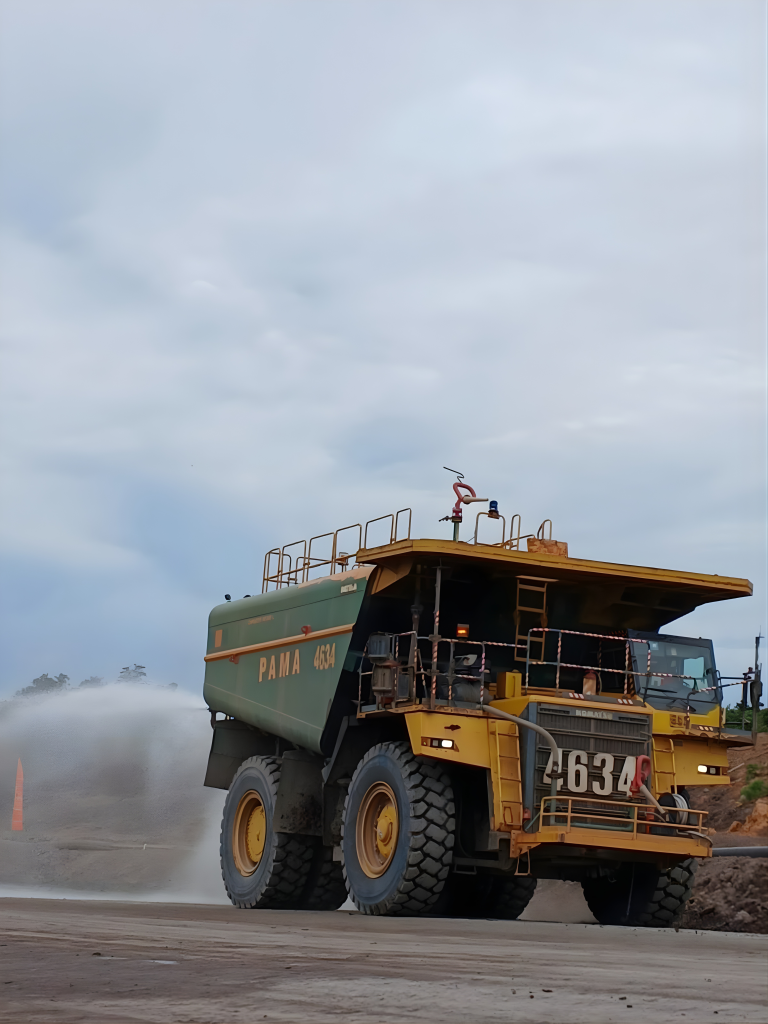
Reusing Mine Water in Indonesia
Water plays a critical role across open-pit mining, particularly for dust suppression. To manage the associated risks, Banpu has implemented a water management framework and site-specific strategies to control both water quality and quantity, supporting efficient and responsible water use across our mining operations.<br><br>At Indominco Mine, continuous improvement initiatives are focused on optimizing operational processes and conserving water by reducing freshwater consumption and managing acid mine drainage risks. Key measures include modifying water trucks with specialized equipment and integrating water reuse into mine planning to maximize the utilization of pit water. In 2025, these efforts enabled the reuse of 4,313 m³ of water across the operation.
View More
Water Flow Diagram
The Company has developed site-specific water flow diagrams to support the implementation of our long-term water management strategy. The diagrams provide a complete representation of water withdrawals, operational water use, internal circulation, and discharge pathways, thereby improving data accuracy and consistency while supporting informed decision-making. Standardized diagrams also enhance transparency and credibility, and ensure alignment with internationally recognized water reporting frameworks.
View More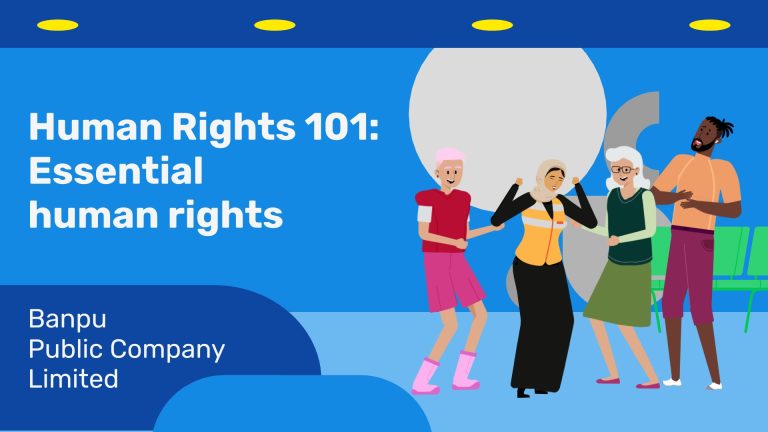
Human Rights Mandatory Training Course
The Company launched a mandatory human rights training Course, Human Rights 101, to strengthen understanding of human rights principles, internationally recognized standards, our Human Rights Policy, and human rights due diligence processes across operations and the value chain. The course was first rolled out in Thailand in 2025 as the initial phase of implementation, with plans to progressively extend it to other business units across all countries where we operate.<br><br>The course addresses key topics including human dignity, the prevention of human rights violations, grievance mechanisms, and the roles and responsibilities of employees in identifying, preventing, and mitigating potential human rights risks. It supports the integration of human rights considerations into day-to-day activities and decision-making, enhances risk awareness, and promotes a culture of respect across all functions. Course completion and quiz results are systematically tracked and recorded to ensure full compliance, evaluate training effectiveness, and inform continuous improvement of our human rights capacity-building efforts.
View More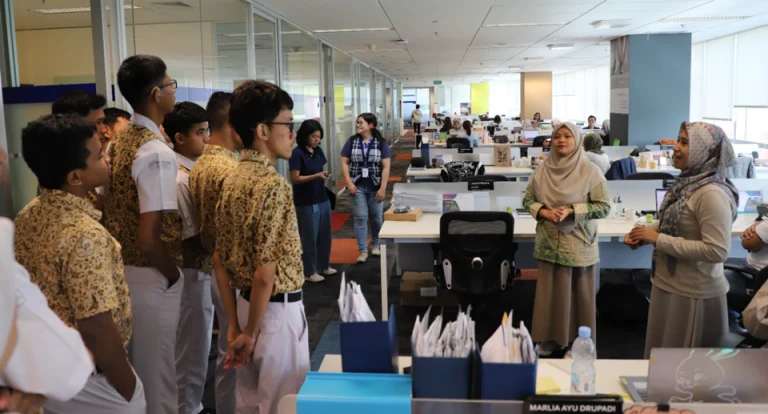
Inclusive Employment in Practice at ITM
In 2025, ITM, the Company’s subsidiary in Indonesia, continued to promote inclusive employment by employing an employee with disability in the HR Department, reflecting the Company’s commitment to equal opportunity in the workplace. To support an inclusive working environment, ITM provided mentorship and workplace guidance to support employee’s integration and development.
View More
Advancing Workforce Readiness for Transition
Banpu embeds reskilling into the Company’s Just Transition approach to prepare employees for changes driven by the energy transition and evolving business portfolio. The Company focuses on developing future-ready capabilities in digital, AI, leadership, and cross-business skills, while promoting internal mobility through redeployment, succession planning, and internal hiring for key roles.
View More
Performance Management System
The Company’s performance management system integrates “Management by Objectives” through a balanced blend of work-related and behavior-based KPIs with a “Multidimensional Performance Appraisal” approach, inviting 360-degree feedback on work-related behaviors. In 2023, the Company applied “Team-based Performance Appraisal”, featuring a calibration process across the organization. Moreover, “Agile Conversations” are applied through mentoring programs with executives outside direct supervision.
View More
HR Technology Transformation Strategy
Recognizing the importance of technology in enhancing human resource management, the Company has embarked on a technology transformation journey, guided by the 3E2A strategy: Ecosystem, Employee Experience, Empowering, Automation, and Analytics. This approach addresses challenges like data collection and integration across countries.
View More
Banpu Heart Activities
In 2024, the Company organized a variety of activities to instill the 10 key behaviors of Banpu Heart and harmonize personal values with the business objectives. These activities are designed to enable employees to embody organizational culture and apply work values with flexibility, collaboration, and unity across diverse team.<br>• Banpu Change Leaders (BCLs) reinforcement: Elevating the network of BCLs, who are committed to fostering a global corporate culture ecosystem by promoting cultural integration across business units. In Thailand, BCLs designed activities to ensure employees' deep understanding in the corporate culture. These included script interviews and storytelling projects that featured employees from different departments working under shared values, being role models for others despite differences.<br>• Workshops and training sessions under the Bottom-Up Culture Building Policy: Strengthening teamwork and unity despite differences among colleagues.
View More
Employee Health and Well-being Programs
Banpu places strong importance on employee health and well-being in every country where we operate, aiming to foster a positive and fulfilling work environment. A range of initiatives has been implemented to address physical health, mental well-being, and work-life balance, aligned with local contexts and employee needs.
View More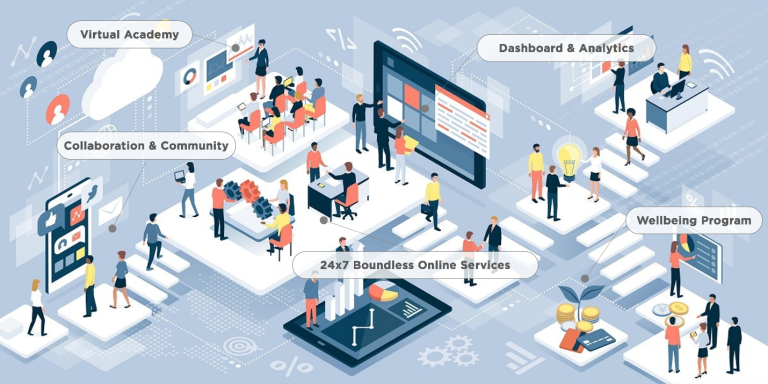
Driving Transformation through HR Digital Ecosystem
Banpu embarked on a technology transformation journey in 2023 to embrace more automated work processes. In 2024, the focus shifted toward enhancing the employee experience and leveraging data-driven analytics to strengthen collaboration, data analytics, and employee well-being across the organization in alignment with the strategic vision of the HR Digital Ecosystem.
View More
Development and Application of Artificial Intelligence (AI)
Recognizing the transformative role of AI in shaping the future of work, Banpu began integrating AI technologies in 2024 to enhance HR decision-making, employee support, and operational efficiency.
View More
Building an Inclusive Workplace through Employment of Persons with Disabilities
Banpu is committed to building an inclusive workplace by extending employment opportunities for Persons with Disabilities (PWDs). Since 2017, we have collaborated with the Social Innovation Foundation to support community-based employment for PWDs, contributing to local development and aligning with the Empowerment of Persons with Disabilities Act. We also supported the Empowerment of Persons with Disabilities Fund.
View More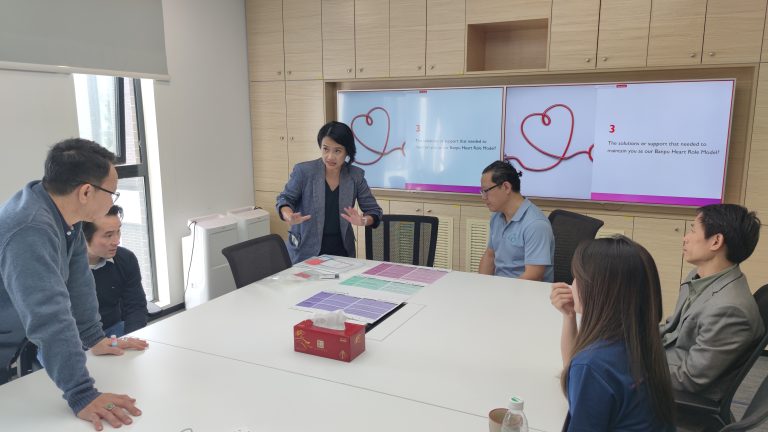
Banpu Heart in Action
Banpu Heart in Action is founded on the belief that organizational culture is not merely a set of prescribed guidelines, but a living culture that Banpu people genuinely embrace and express in everyday lives across diverse nationalities, languages, and cultures. The initiative pursues 5 key objectives: Enable leaders at all levels to integrate culture into team management; Embed the Culture Behaviors into daily practices; Connect employees across geographies as One Banpu; Establish a clear and continuous culture measurement system; and Make culture part of business strategy and sustainable growth.<br><br>Grounded in the concept of “Culture into Action,” the initiative is implemented through 4 pillars: <strong>Culture Awareness</strong> enhances employees’ understanding through gamification, classroom learning, and storytelling. <strong>Culture Role Modeling</strong> develops leaders to lead with culture by example, focusing on senior executives, Thai EXPATs, and volunteers. <strong>Culture in Action</strong> organizes workshops that reflect Banpu Heart, address real work challenges, and encourage activities by Banpu Culture Leaders. The program also expands coverage of Banpu Culture Leaders to senior management and Thai expatriates in all locations. <strong>Culture Measurement & Recognition</strong> implements a behavioral assessment and recognition system for senior executives, along with an annual survey of organizational culture and employee engagement. Survey results are analyzed to develop targeted improvement plans at the team, company, and country levels.
View More
Human Rights Risk and Impact Assessment in Vietnam
In 2023, as part of a human rights due diligence process, the Company conducted a human rights risk and impact assessment for a renewable power business in Vietnam. The assessment involved a thorough data collection, including interviews with various rights holders, comprising employees, contractors, subcontractors, security guards, and local communities, as well as vulnerable groups, such as women and pregnant women. The findings from the assessment revealed that, with current control measures, most human rights issues posed low to medium risks. However, there were 6 high-impact risks that require focused attention. These areas included working conditions & equal remuneration, labor recruitment, forced labor, occupational health & safety in workplace, violence or harassment, and internal grievance mechanisms.
View More
Human Rights Risk and Impact Assessment in Indonesia
In 2024, as part of our ongoing human rights due diligence efforts, the Company conducted a comprehensive human rights risk assessment as part of due diligence for our mining business in Indonesia. The assessment involved thorough data collection, including workshops, a self-assessment questionnaire, and document-based research, to identify potential human rights issues. Each issue is assessed for impact to evaluate its severity and likelihood of occurrence. The findings highlighted 6 critical risks that need to be prioritized as the highest across all or most of the sites. These include working conditions, occupational health & safety, data privacy protection, environmental health and safety, internal grievance mechanisms, and supply chain management or business partner relationships. Following this impact assessment, we developed a targeted mitigation plan for each identified risk to effectively address and reduce its potential negative consequences.
View More
Human Rights Risk and Impact Assessment
As part of our Human Rights Due Diligence (HRDD) process, the Company regularly conducts Human Rights Risk and Impact Assessments (HRRAs) across all operations and tier-1 supply chains on a three-year cycle, with a target to reach 95% coverage by 2030. Human rights issues are identified through multiple sources, including existing policies, self-assessment questionnaires, and document-based research, and further refined through workshops in which key internal stakeholders collaborated to identify human rights issues specific to their operational areas and local context. The identified risks are then assessed for potential impacts based on their severity and likelihood. This involves considering the scale, scope, and remediability, before being prioritized through a risk matrix to determine those issues posing the most significant harm and requiring immediate responses.<br><br>In 2025, the Company conducted a comprehensive HRRA at our operations in Australia and Thailand. The assessment highlighted 5 new critical risks to be prioritized as the highest across all or most sites: Psychosocial risks, Degradation of a clean and healthy environment, Absence of Free, Prior and Informed Consent (FPIC), Absence of community consultation, and Cultural heritage impacts. For each identified risk, we developed feasible mitigation strategies to effectively address and reduce potential negative consequences. Moving forward, Banpu will continue to monitor the effectiveness of these strategies as part of our HRDD cycle, ensuring continuous improvement.
View More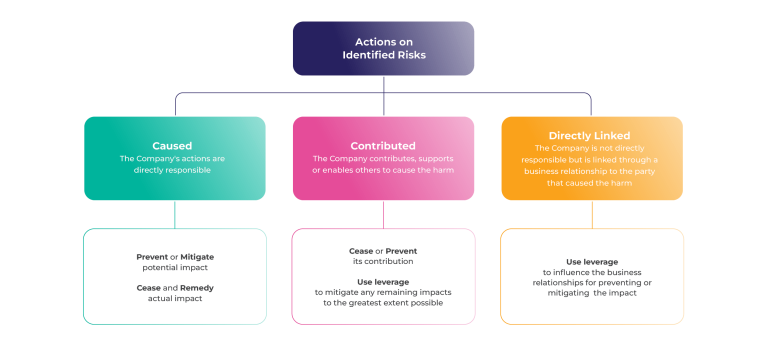
Human Rights Management in the Value Chain
The Company is committed to respecting and promoting human rights across our value chain, in line with internationally recognized standards, including the UN Guiding Principles on Business and Human Rights (UNGPs). Our approach covers our own operations, contractors, suppliers, and business partners, with human rights considerations embedded in relevant policies, codes of conduct, and management systems to ensure consistent transparency and accountability. We set clear human rights expectations through our Supplier Codes of Conduct, integrate human rights criteria into supplier selection and evaluation processes, and engage suppliers through communication and training sessions. We also collaborate with business partners and relevant stakeholders to promote alignment with our human rights standards and encourage responsible practices throughout the value chain.<br><br>The Company manages human rights risks through a risk-based and leverage-driven approach. We conduct human rights due diligence and risk assessments every 3 years, covering suppliers across all operations to identify and address potential human rights risks in the supply chain. Identified risks are assessed based on the severity and likelihood of impacts on workers, communities, and other affected stakeholders. Where human rights risks are identified within the value chain, the Company applies a structured leverage process linked to the nature of our involvement, using the “Cause/Contribute/Directly Linked framework” (CCL) framework of the UNGPs.
View More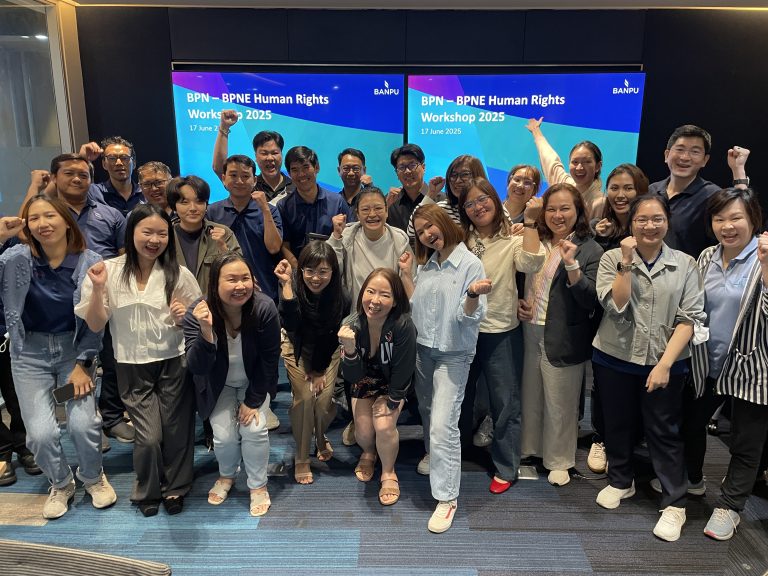
Human Rights Risk Assessment Workshop
The Company has taken meaningful steps to advance human rights across our operations through comprehensive training and workshops, particularly those conducted in Australia and Thailand in 2025. Our training programs equipped employees with deep knowledge of human rights foundation, international standards, and their respective business roles. Building on this foundation, we organized workshops in which key internal stakeholders collaborated to identify human rights issues specific to their operational and local contexts. This collaborative approach was essential for gathering accurate, on-the-ground insights that informed our assessment and prioritization of human rights risks across the Company's operations. We embed human rights consideration into every aspect of our operations by fostering a culture of respect and responsibility, prioritizing inclusivity, and engaging directly with stakeholders in the communities where we operate.
View More
Human Rights Mandatory Training Course
The Company launched a mandatory human rights training Course, Human Rights 101, to strengthen understanding of human rights principles, internationally recognized standards, our Human Rights Policy, and human rights due diligence processes across operations and the value chain. The course was first rolled out in Thailand in 2025 as the initial phase of implementation, with plans to progressively extend it to other business units across all countries where we operate.<br><br>The course addresses key topics including human dignity, the prevention of human rights violations, grievance mechanisms, and the roles and responsibilities of employees in identifying, preventing, and mitigating potential human rights risks. It supports the integration of human rights considerations into day-to-day activities and decision-making, enhances risk awareness, and promotes a culture of respect across all functions. Course completion and quiz results are systematically tracked and recorded to ensure full compliance, evaluate training effectiveness, and inform continuous improvement of our human rights capacity-building efforts.
View More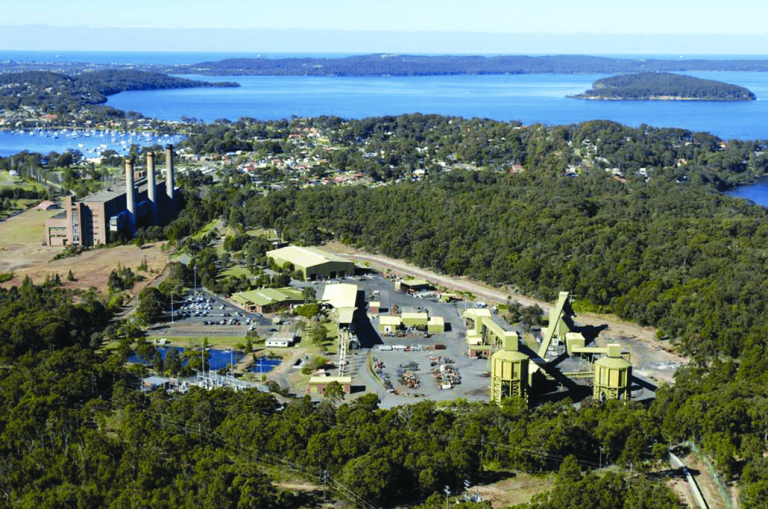
Surface Cracking Management
Mine Subsidence represents a critical challenge in underground mining, manifesting during or post-mining operations, with the potential to damage nearby structures and residences. The Company’s strategy is the implementation of proactive prevention and mitigation plans. These plans are developed based on thorough mine subsidence risk assessments and surface impact analysis. The Point Hatteras Extraction Plan is a blueprint designed to guide the mining operations with support by sophisticated modeling techniques that simulate the potential impacts. Furthermore, the Company has established a network of monitoring stations focused on tracking the width of surface cracks to prevent and halt subsidence before exceeding the maximum allowance limits.
View More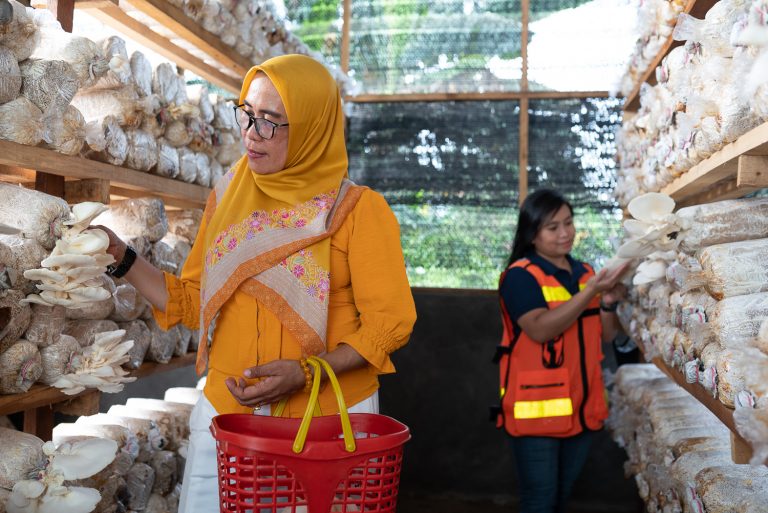
Community Activities during Mine Closure at Embalut
Embalut has taken a participatory approach to community development and empowerment programs for post-mining phase, emphasizing the potential of community-based agro-edu-tourism to sustain and enrich local livelihoods. In 2023, the Company creates a multifaceted ecosystem of sustainable development through several projects. Key among these projects were agro-edu-tourism developments, economic independence initiatives, and training programs.<br><br>Agro-edu-tourism Development: Support the development of fruit gardens, cattle sheds, agricultural tourism, fishing ponds, and fishing points.<br>Economic independence initiatives: Support the establishment of 2 women farmer groups for oyster mushroom cultivation and laying hen businesses.<br>Training programs: Organized an extensive range of skill development programs to 138 beneficiaries, covering welding, cattle breeding, agriculture, fruit plantation management, and mechanics.
View More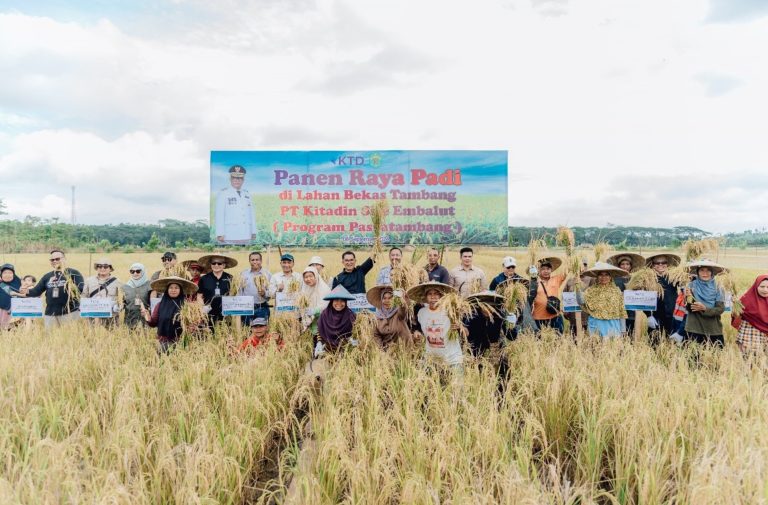
Embalut Rice Revival Project
Launched in 2021, the post-mining program at Embalut Mine has converted 74 hectares of former mining land into productive rice fields. This initiative was shaped through participatory consultations, responding to concerns from residents in the first ring of the community development area about livelihoods once the community development and empowerment program concluded. Since 2023, the program has produced over 120 tonnes of rice, including 23 tonnes of the fourth harvest in September 2024. By enhancing local welfare and creating new employment opportunities, the program has improved local economy and supports food self-sufficiency. With direct benefits reaching 148 households, the program promotes sustainable community development and contributes to national food security. This initiative stands as a model for sustainable post-mining land use and long-term community empowerment.
View More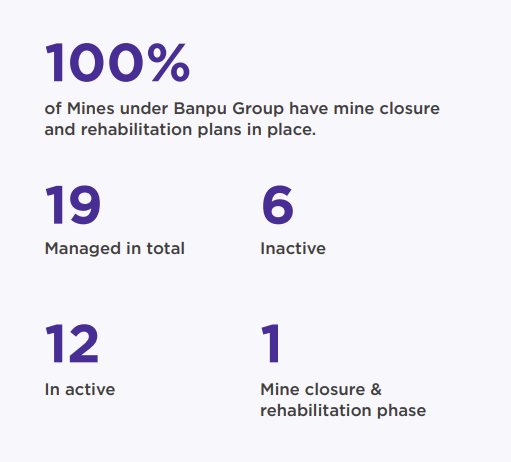
Coverage of Mine Closure Plan
As of 2024, all 19 mines under Banpu Group have established mine closure and rehabilitation plans. Of these, 12 mines remain in active operation, 6 are in project development and care & maintenance phase, and 1 site – Embalut Mine in Indonesia, is currently in the closure and rehabilitation phase.
View More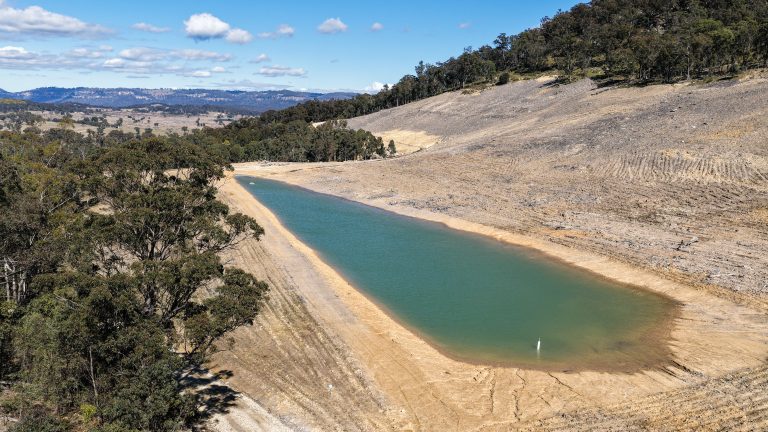
Charbon Demolition: Another Milestone in Site Rehabilitation
Charbon Site, a former underground and open-cut mining operation in New South Wales (NSW), Australia, has reached an advanced stage of rehabilitation. The Company implements demolition, rehabilitation, and closure activities in accordance with NSW regulatory requirements, approved rehabilitation plans, and community oversight, with the aim of delivering safe, stable, and non-polluting landforms suitable for agreed post-mining land use.<br><br>Infrastructure demolition and decommissioning are integrated with earthworks rehabilitation to reduce long-term environmental liabilities and enhance landform stability. Progressive rehabilitation focuses on erosion control, surface water management, and revegetation using native species consistent with local ecosystems. Approximately 68% of the total disturbance footprint is under progressive rehabilitation, and monitoring confirms stable landforms and compliance with water quality criteria. We manage rehabilitation and closure risks through our environmental management system and enterprise risk management processes, while performance is evaluated through biodiversity surveys, environmental monitoring, audits, and community consultation.
View More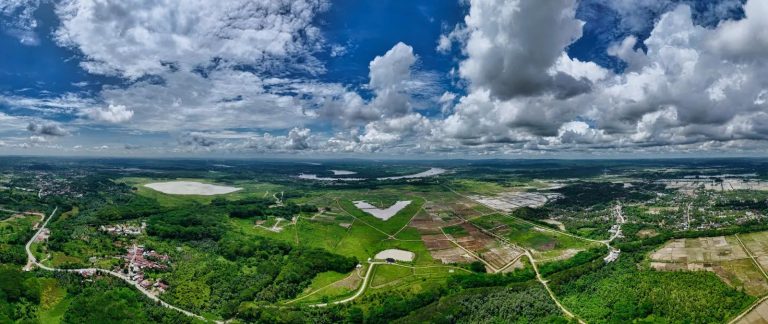
Mine Closure Activities at Embalut
Embalut Mine in Indonesia has entered its formal closure stage. In 2025, we continued to reinforce our commitment to sustainable local development by supporting 27 community development projects between 2022 and 2025, directly benefiting 6,915 individuals in surrounding areas. These initiatives, spanning income generation, health promotion, and social and cultural development, were designed in response to community needs and aimed to strengthen livelihoods and well-being both during the transition period and beyond the mine’s operational life.<br><br>To track the outcomes, we conducted a social livelihood impact assessment (SLIA) to evaluate changes in community satisfaction and well-being across neighboring villages. The assessment revealed an overall satisfaction level of 82.5%, with key findings highlighting improved household income stability, increased access to health services, and stronger community institutions.<br><br>Environmental management and revegetation activities are being carried out in compliance with an approved mine closure plan to ensure the closure and rehabilitation result in a stable and sustainable ecosystem. Key activities include land management, acid mine drainage management, and biodiversity monitoring in reclamation areas, help assess the effectiveness of ecosystem rehabilitation and support the continuous management of environmental risks.
View More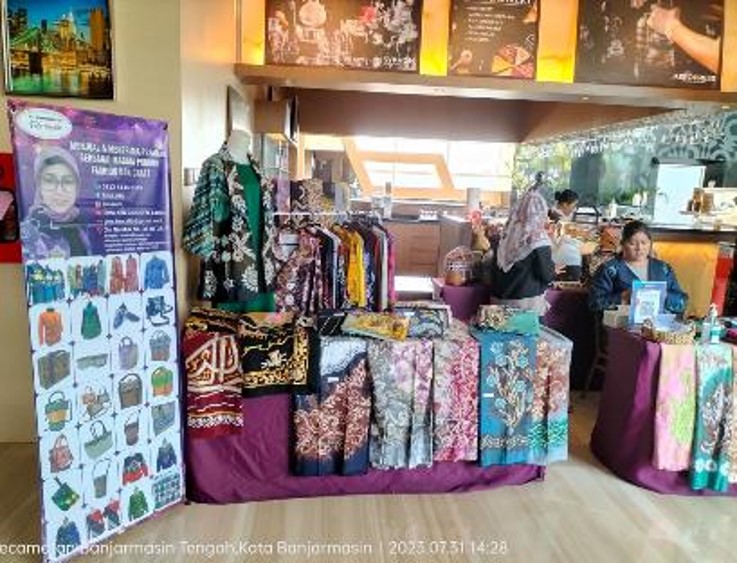
Women Empowerment in Indonesia
Since its establishment in 2019, Jorong Mine’s Sasirangan eco-print program in Indonesia has been a beacon of women’s empowerment and sustainable development. <br><br>The program is operated in partnership with the community consultative committee and involves 2 women groups that manage the activities. These groups have significantly enhanced their capabilities through knowledge sharing and technical skill training, focusing on creating eco-friendly products.<br>Sasirangan’s product line uniquely incorporates eco-print techniques using eucalyptus leaves from Jorong’s reclamation areas. In 2023, the initiative expanded its product range to include eco-print coloring material and became a local government partner in Kondang’s market, a significant step in increasing the program’s reach and impact.
View More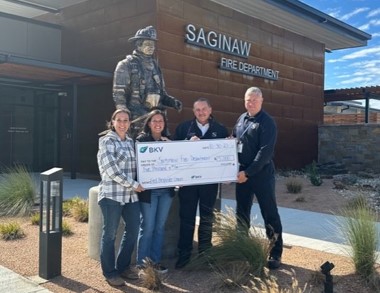
Community Engagement in the U.S.
BKV, the Company’s subsidiary in the U.S., is committed to being a positive force within society. BKV prioritizes maintaining open and honest relationships with stakeholders and is deeply committed to being engaged with the community.<br><br>In 2023, BKV launched the first “BKV First Responder Grant Program”. This initiative is designed to establish partnerships with local first responders by providing them with financial support to enhance their services. The program started with a “First Responder Lunch and Learn” event, where BKV began discussions on safety, operations, and partnership opportunities.<br><br>First Responders in the operational areas in Texas and Northeastern Pennsylvania were invited to participate by submitting a simple one-page grant application. The community relations committee then reviewed all applications and ultimately awarded a total of 8 grants in the amount of over USD 30,000.
View More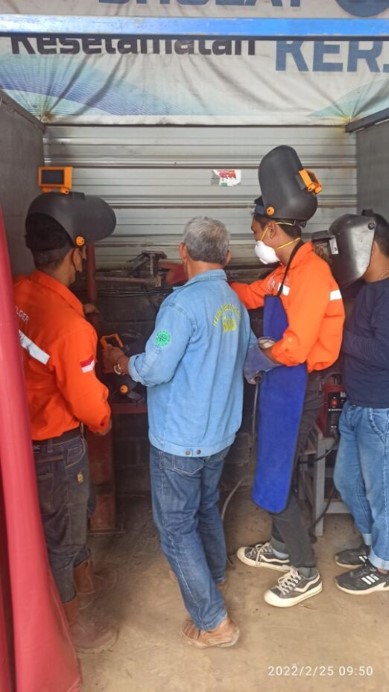
Community Capability Development in Indonesia
Indominco mine in Indonesia has proactively addressed the anticipated strong demand for local labor driven by a new capital establishment in the region. In partnership with the Bontang Welder Association and its contractors, Indominco launched an “Industry-Standard Welding Training Program.” Since 2019, 47 trainees have successfully completed this program, with an impressive 75% employment rate post-training, while 24 of these individuals are now working as contractors for Indominco.
View More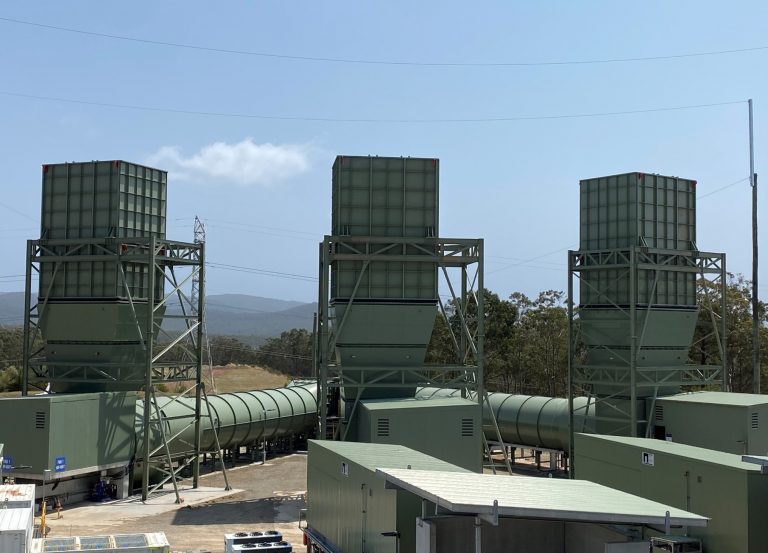
Noise Complaint Management in Australia
In 2020, Mandalong mine in Australia expanded its infrastructure by constructing the “Mandalong South Surface Site”, which included ventilation fans for future mining operations. Following community feedback regarding noise disturbance caused by these fans, Mandalong implemented a management standard that included communication with complainants, consultation with the community consultative committee, and formal reporting of the issue to state authorities.<br><br>Acting on stakeholder input, Mandalong decided to modify the fan structures to reduce noise. The modifications were completed in October 2023 and resulted in a significant decrease in noise emissions. Presently, there have been no further complaints regarding this issue.
View More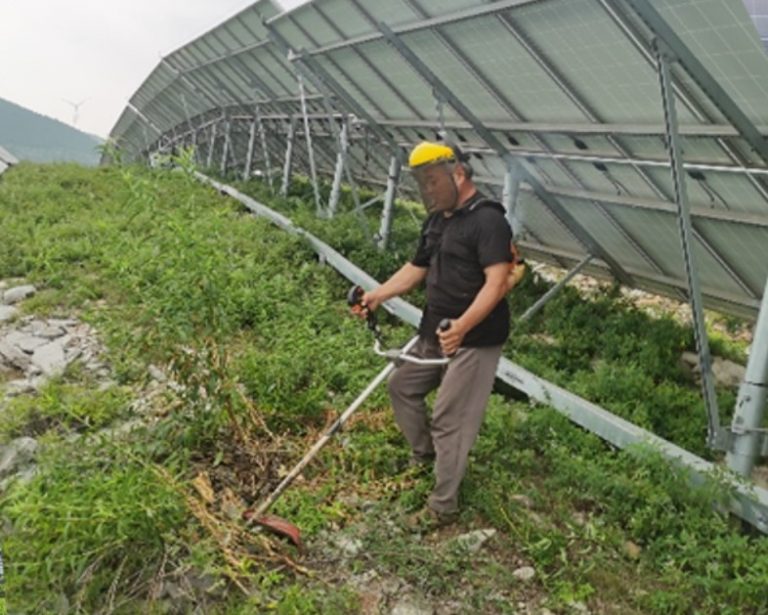
Income Generation Program in China
BIC, a subsidiary of the Company operating 7 solar power plants in China, focuses on improving community relations and enhancing quality of life, particularly for middle-aged and elderly individuals, by creating employment opportunities.<br>In 2023, BIC launched an income generation program at Jixin Solar Farm. This initiative successfully provided 32 beneficiaries with not only higher income opportunities but also comprehensive safety training and increased environmental awareness. The program is designed to comply with stringent environmental regulations, ensuring that the operations adhere to both local and national environmental standards.
View More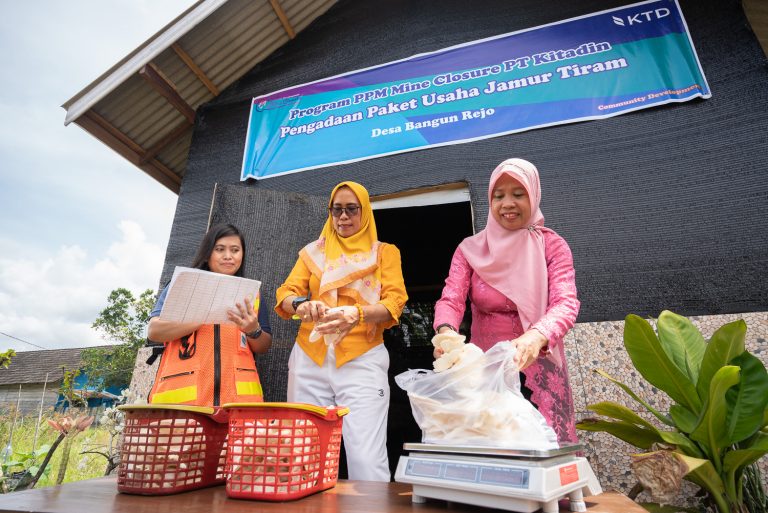
Agro-edu-tourism at Embalut
In 2023, Embalut mine in Indonesia actively supported 14 community development projects. The focus of these initiatives is on agro-edu-tourism, aimed at enhancing the livelihood and well-being of the local population. The projects included the development of fruit gardens, cattle sheds, agricultural tourism attractions, fishing ponds, and fishing points.
View More
Partnership School Project: Developing Equal and Inclusive Education
Since 2019, Banpu has partnered with the Ministry of Education in the Partnership School Project, supporting 3 schools in Roi Et, Maha Sarakham, and Khon Kaen provinces. The project aims to elevate education quality in rural schools, providing students with access to high-quality education near home, and fostering greater educational equality. This initiative focuses on 6 main aspects: modern management, building strong organizational culture, enhancing teaching skills, developing students from early childhood through secondary education, promoting life and vocational skills, and creating sustainable support networks. As a result, student performance has improved, local community confidence in the schools has strengthened, and the schools have become role models, with teachers actively sharing best practices with others.
View More
Social Return on Investment
Banpu applies the Social Return on Investment (SROI) framework to measure the impact of community engagement efforts. To date, we have evaluated 7 community development programs across 4 mine sites in Indonesia. In addition, a “Maturity Measurement” approach is applied to assess the sustainability of these programs across 6 dimensions: change, inclusion, organization, cooperation, influence, and sustainability.
View More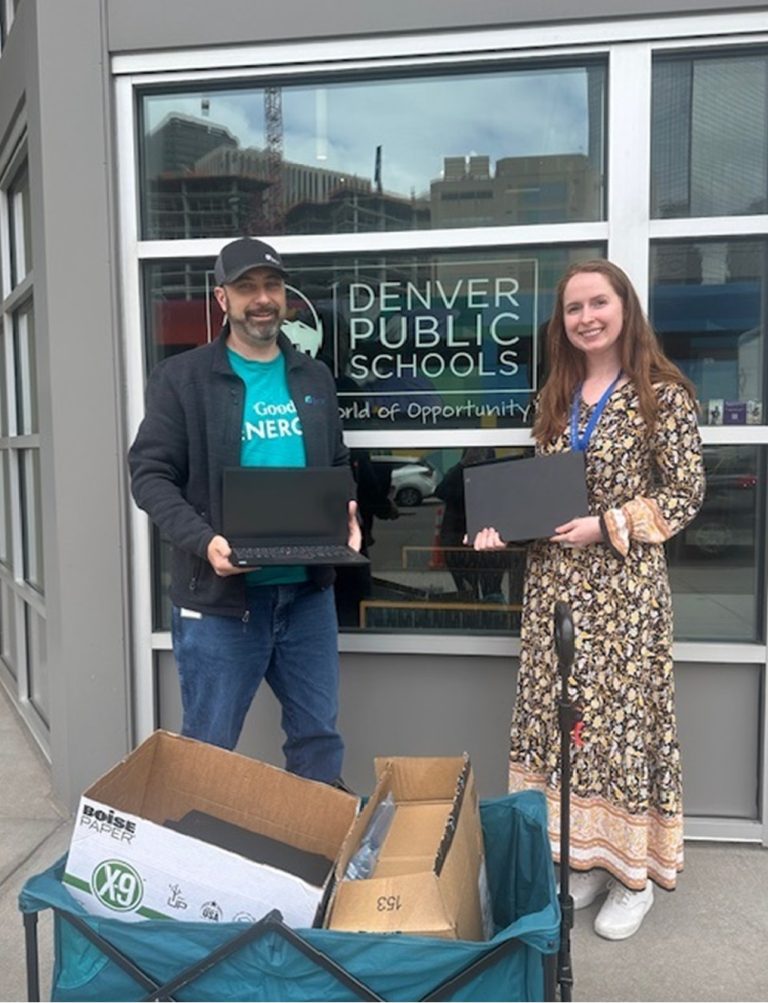
BKV Education Support
In 2024, BKV collaborated with Pascual LeDoux Academy, providing funding and volunteer support to the Denver Public School Education Foundation for advanced education initiatives. This effort aligns with its theory of change framework, CLASS (Community Leads and Students Succeed), a strategic inititative aimed at improving student and school outcomes, covering four quadrants: student and academic growth, life skills and social-emotional learning, family engagement and support, and educator leadership development across Denver Public Schools.
View More- All
- Digital Transformation
- Business Resilience & Continuity
- Cybersecurity
- Occupational Health & Safety
- Talent Development

My Safety My Responsibility Campaign in China
In 2023, the Zhouping power plant in China initiated “My Safety My Responsibility” campaign as part of the Behavior-Based Safety (BBS) program. This initiative emphasizes employee involvement at all levels in fostering a safety culture. One of BBS processes is safety observation, where employee behaviors are monitored and documented using safety observation report forms. The opportunities for improvement were specifically identified.<br><br>Over the course of the year, the effectiveness of BBS program was measured through the collection and analysis of these observation reports. The number of observation reports submitted surged to 320, marking an increase of over 100% from the 142 reports filed the previous year. Celebrating successes with recognition and rewards, a power plant executed various motivational awards, including Good unsafe behavior report, Monthly safety inspection talent, Annual safety inspection talent, and Safety outstanding team.
View More
Application of AI in Energy Trading Business in Australia
The Company has taken a strategic step forward by assembling a cross-border team dedicated to leveraging AI to enhance the profitability in the energy trading business in Australia. This AI showcase is designed to maximize the future battery revenue and improve outcomes of trading business with focus on 2 key goals:<br><br>Forecasting the electricity dispatch price to optimize battery dispatch strategy.<br>Predicting anomalies in pricing to mitigate risks associated with volatile market conditions.<br><br>This initiative has undergone a thorough analysis, revealing an opportunity to boost the business profit by 4.6 million AUD, based on a 22-month back-test result. Such potential gains underscore the transformative power of AI in revolutionizing energy trading business. Currently, the physical battery investment is under final assessment.
View More
Banpu Engaging Leader Program
In response to insights from the 2014 employee engagement survey, the Company launched the "Banpu Engaging Leader" course in 2015 at the head office in Thailand. The training aims to raise employee engagement levels by enhancing managerial influence. Over the ongoing program of a decade, the program has delivered measurable results, with engagement levels at the head office increasing significantly from 57% in 2016 to 66% in 2024. Building on the success of Banpu Engaging Leader, the initiative evolved into the comprehensive "Banpu Engaging Leader Program," which is now implemented across all business units to ensure a consistent approach to employee engagement company-wide.<br><br>Additionally, the Company introduced the "Leader and Manager as a Coach" program. This initiative standardizes the coaching framework across our global operations, enhancing leadership effectiveness and sustaining high engagement levels throughout the organization.<br>
View More
Critical Control Verification Dashboards in Australia
In 2023, the mining business in Australia adopted the “Fatal Risk” program, which is an initiative designed to prevent fatalities by implementing effective controls across all tasks. A key component of this program involved the “Fatal Risk Bowtie” workshops, where all critical controls were identified and evaluated for their application and effectiveness.<br><br>To facilitate the effective implementation of these controls, the Company developed “Critical Control Verification Dashboards”. These dashboards help to ensure performance effectiveness by providing real-time feedback via a digital platform. The digital reporting provides a clear view of control effectiveness and status at each site. This enables prompt identification of any controls that are failing or not functioning to the standard. As a result, the Company can identify and control the top ten fatal risks. This proactive approach not only enhances safety but also contributes to the overall operational excellence of the facilities.
View More
TalkFest
In pursuit of cultivating a learning-oriented community and fostering a culture of knowledge exchange, the Company has established “TalkFest” as a dedicated platform for promoting intellectual collaboration among experts from diverse fields, both within and outside the organization. Recognizing the abundance of knowledge available, TalkFest covers a spectrum of topics ranging from practical matters like “Preparing for old age,” “PDPA” and “M&A” to thematic series like “CVC Series” and “Decarbonization Series”.<br><br>Moreover, TalkFest regularly hosts speakers representing various domains, including academic institutions, specialists, entrepreneurs, and management professionals. These experts are invited to share their valuable insights, contributing to the enrichment of knowledge-based community. With internal moderators, the conversations were ensured that the discussions align with the Company's values and objectives.
View More
International Business Leader Program (IBLP)
with a mission to cultivate a next generation of leaders, ready to propel business growth, the Company launched “International Business Leader Program” (IBLP) for the first time in 2023.<br>More than 30 executives from Australia, Indonesia, Japan, Thailand, and the U.S. participated this program.
View More
Managerial Safety Visit in Thailand
The managerial safety visit program, implemented by Banpu NEXT EcoServe in Thailand, exemplifies the Company’s commitment to fostering a strong safety culture. Recognizing the importance of staying informed and actively engaged, the program facilitates informal discussions between senior leaders and frontline personnel, directly addressing safety concerns that impact daily operations.<br><br> By actively participating in these visits, senior leaders demonstrate their commitment, share learning, and engage in meaningful discussions targeted at raising safety standards in the work area. These visits also focus on crucial aspects like hazard reporting and providing relevant training to frontline staff.<br><br>In 2023, the senior leaders conducted safety visits at 3 sites. These visits allowed them to hear firsthand from those who work on the sites. This program is aiming to expand to cover all sites.
View More
Safety Training for Specific Hazards
Recognizing the critical importance of addressing workplace hazards, the Company has dedicated substantial efforts towards strengthening the safety program by conducting comprehensive training courses.
View More
ESG Summit 2023
To address ESG-related challenges, the Company held the ESG Summit 2023 on October 10th, under the theme “Sustainability Horizons: Pioneering Decarbonization and Data Privacy & Cybersecurity”. The summit was graced by the ESG committee and senior executives from all business units, unified in exploring 2 main topics: climate change & carbon reduction and data privacy and cybersecurity. At the summit, the Company welcomed external experts to share value insights under the topic “Strengthen Cyber Readiness” focused on cyber attacks.<br>
View More
Application of AI in Energy Trading Business in Australia
The Company has taken a strategic step forward by assembling a cross-border team dedicated to leveraging AI to enhance the profitability in the energy trading business in Australia. This AI showcase is designed to maximize the future battery revenue and improve outcomes of trading business with focus on 2 key goals:<br><br>Forecasting the electricity dispatch price to optimize battery dispatch strategy.<br>Predicting anomalies in pricing to mitigate risks associated with volatile market conditions.<br><br>This initiative has undergone a thorough analysis, revealing an opportunity to boost the business profit by 4.6 million AUD, based on a 22-month back-test result. Such potential gains underscore the transformative power of AI in revolutionizing energy trading business. Currently, the physical battery investment is under final assessment.
View More
Banpu Digital Academy
The Company has established "Banpu Digital Academy" since 2018. The core mission is to elevate digital awareness and capabilities across the organization, fostering a “Digital Savvy” competency among employees. Banpu Digital Academy carries out a comprehensive journey of digital transformation that spans learning, action, and recognition phases, designed to embed digital fluency across all levels of the organization.
View More
AI Adoption in Banpu
AI is addressed as one of the key levers to pursue the Energy Symphonics Strategy toward 2030, supporting the Company’s goals to increase operational efficiency, reduce costs, generate new revenue streams, and minimize environmental impact. AI plays a vital role across various business domains:
View More
Banpu Digital Academy – Fostering Digital Savvy for all Employees
Since its inception in 2018, the Banpu Digital Academy has been a cornerstone in driving the Company’s digital transformation journey. To enhance digital awareness and capabilities, Banpu embedded digital fluency across all levels of the organization, facilitating employee development through curated learning paths available on the online learning platform.
View More
Banpu Digital Leadership Program
In 2024, Banpu Digital Academy partnered with the University of New South Wales (UNSW), to co-create the Banpu Digital Leadership Program, designed to accelerate the realization of value from Banpu’s digital transformation by continuously evolving leadership capabilities in alignment with the demands of the digital era. Participants in the program gain vital skills to:
View More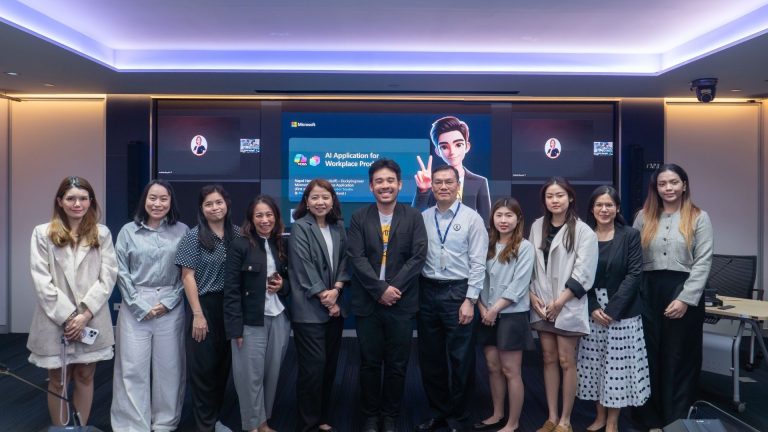
Digital and AI Capability Development Program
As digital transformation continues to reshape the energy sector, equipping our workforce with strong AI and digital capabilities has become a strategic priority within Banpu's human capital agenda. In 2025, we expanded our focus on AI and digital productivity, preparing employees across functions to adopt emerging technologies responsibly and apply them effectively in their daily work.
View More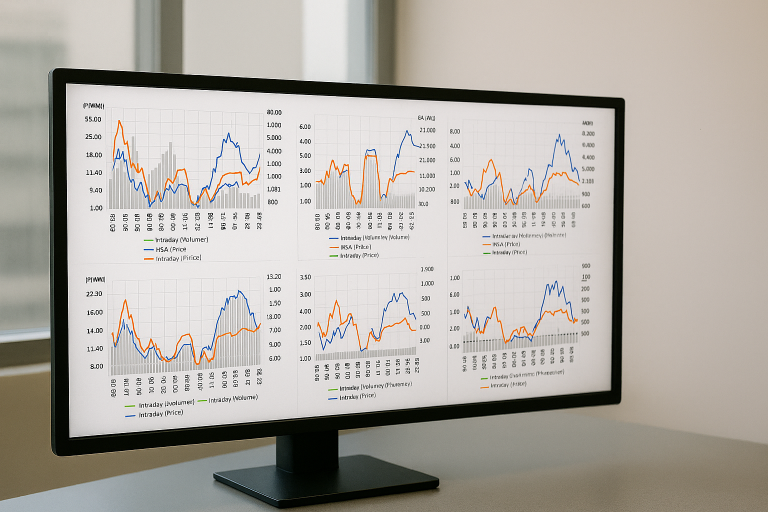
AI Adoption in the Organization
The Company is applying Artificial Intelligence (AI) to targeted business priorities where AI can improve revenue generation, cost efficiency, operational resilience, and workforce productivity. Rather than positioning AI as a standalone technology initiative, the Company focuses on practical use cases that address specific operational challenges across the business, translating AI potential into measurable business impact across the Company’s diversified energy portfolio.
View More
BCP Exercise: Cyber Incident Scenario
In 2024, the Company conducted a BCP exercise at the head office in Bangkok, focusing on a cyber incident scenario involving the Crisis Management Team (CMT). The exercise was part of a BCM refresher workshop, which included a briefing on global business risk trends for 2024-2025, reinforcing roles and responsibilities of CMT, a review of the activation process, and a hands-on simulation exercise to test response capabilities of the CMT.<br><br>The simulated scenario involved a widespread cyber-attack, highlighting potential disruptions to people, the environment, and assets, and revealing the strategic difficulties and reputational implications of such incidents.
View More
Power Plant Reliability Management
As an energy provider, power plant reliability is critical to ensuring a stable and efficient energy supply for our customers. To ensure this, the Company employs key performance indicators such as Availability Factor (AF) to measure the percentage of time power plants are capable of producing electricity, Forced Outage Factor (FOF) to track unplanned shutdowns, and Overall Efficiency (OE) to evaluate the effectiveness of energy conversion from fuel to electricity.
View More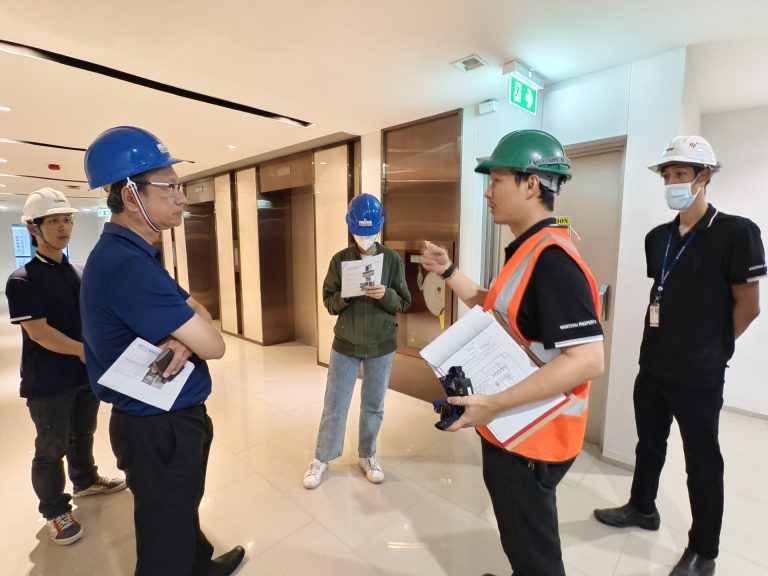
Earthquake Emergency Response in Thailand
On 28 March 2025, a 7.7-magnitude earthquake centered in Myanmar caused strong tremors across Thailand, testing the Company's crisis preparedness under real-world conditions. The Company immediately activated the Emergency Response Plan (ERP) and executed evacuation procedures in line with established protocols. A comprehensive headcount confirmed that all employees were safely accounted for, with no injuries reported.
View More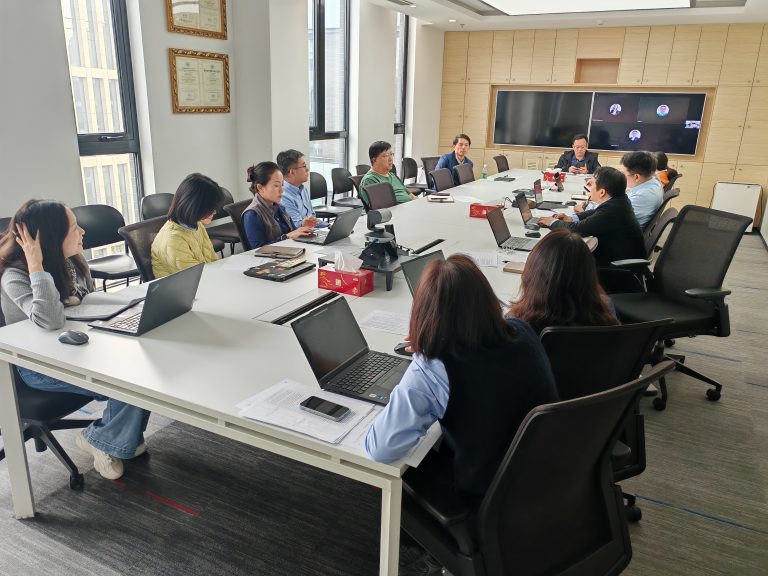
Strengthening Resilience Through Incident Management Team Exercise
In 2025, the Company conducted a series of tabletop Business Continuity Planning (BCP) exercises across Thailand, China, Indonesia, and Vietnam. The exercises were designed to assess the Company’s readiness to respond to complex emergency scenarios, maintain critical operations, and protect employees, assets, data, and business continuity during disruptive events. Rather than a "one-size-fits-all" approach, these simulations were tailored to the specific risk profiles of each geography, ranging from civil unrest and physical infrastructure failures to sophisticated cybersecurity threats.
View More
ESG Summit 2023
To address ESG-related challenges, the Company held the ESG Summit 2023 on October 10th, under the theme “Sustainability Horizons: Pioneering Decarbonization and Data Privacy & Cybersecurity”. The summit was graced by the ESG committee and senior executives from all business units, unified in exploring 2 main topics: climate change & carbon reduction and data privacy and cybersecurity. At the summit, the Company welcomed external experts to share value insights under the topic “Strengthen Cyber Readiness” focused on cyber attacks.<br>
View More
Resilient Business Operations by Bug Bounty Program
In 2024, The Company continued the “Self-Hacking” initiative through collaboration with a regional white hackers community, under the "Bug Bounty Program." This program is a key part of Banpu’s ongoing efforts to strengthen cybersecurity resilience across all digital services. Partnering with a dedicated group of ethical hackers, the Company enables 24/7 vulnerability assessments under clearly defined rules of engagement and a robust data protection agreement, ensuring the highest standards of security and compliance throughout the program.
View More
ESG Summit: Navigating Data Privacy & Cyber Security in the AI Era
At the 2024 ESG Summit, Banpu introduced the session "Navigating Data Privacy and Cybersecurity in the AI Era." The session explored how AI enhances user experiences through personalization, while also raising significant concerns about privacy and cybersecurity due to extensive data collection. The discussion emphasized the risks associated with improper data handling, such as data misuse, surveillance, and more sophisticated cyberattacks, as AI is increasingly exploited. The session provided the management and employees with valuable insights on how to manage AI-related risks responsibly.
View More
Information Security Vulnerability Assessment
Since 2024, the Company has continued the “Self-Hacking” initiative through a structured "Bug Bounty Program” in collaboration with a regional white-hat hacker community. Moving beyond the periodic vulnerability assessments required by ISO 27001, the program represents a shift toward proactive, continuous risk management and supports secure digital operations across all of our digital services. By partnering with a dedicated group of ethical hackers, the Company enables 24/7 vulnerability assessments under clearly defined rules of engagement and robust data protection agreements, ensuring the highest standards of security and compliance throughout the program.
View More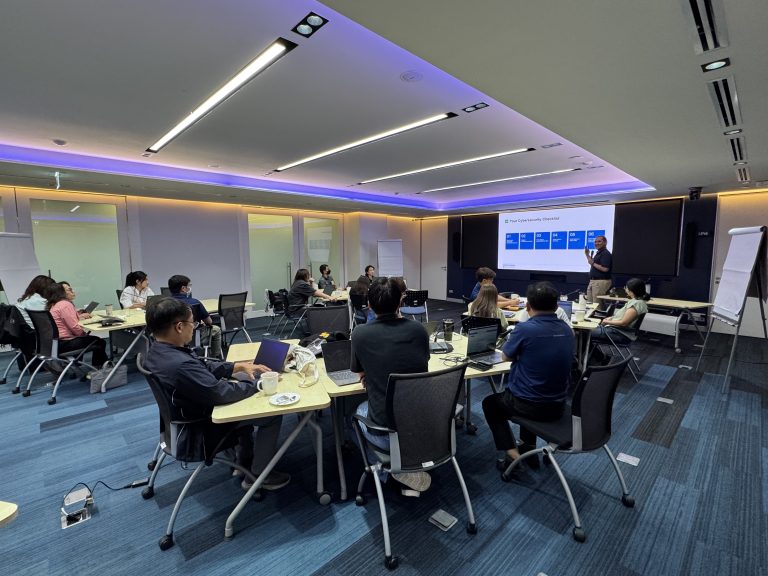
Information Security Awareness & Culture
The Company has elevated its cybersecurity awareness program to the Security Behavior and Cultural Program (SBCP), shifting from traditional awareness training to fostering a security-focused mindset across the organization. The program addresses evolving threat landscapes and reinforces accountability at all levels as the first line of defense through:<br>• Foundational Defense: Data protection, incident reporting procedures, and password hygiene.<br>• Behavioral Simulations: Realistic phishing and social engineering exercises designed to test and improve employee responses.<br>• Future-Ready Literacy: Guidance on the secure use of emerging digital tools, and AI guardrails to ensure privacy and data integrity in an automated era.<br><br>By utilizing regular training, simulations, targeted communications, and role-based learning, Banpu fosters a strong security-conscious culture that reduces human-related cyber risks, enhances operational resilience, and safeguards stakeholder trust.
View More
My Safety My Responsibility Campaign in China
In 2023, the Zhouping power plant in China initiated “My Safety My Responsibility” campaign as part of the Behavior-Based Safety (BBS) program. This initiative emphasizes employee involvement at all levels in fostering a safety culture. One of BBS processes is safety observation, where employee behaviors are monitored and documented using safety observation report forms. The opportunities for improvement were specifically identified.<br><br>Over the course of the year, the effectiveness of BBS program was measured through the collection and analysis of these observation reports. The number of observation reports submitted surged to 320, marking an increase of over 100% from the 142 reports filed the previous year. Celebrating successes with recognition and rewards, a power plant executed various motivational awards, including Good unsafe behavior report, Monthly safety inspection talent, Annual safety inspection talent, and Safety outstanding team.
View More
Critical Control Verification Dashboards in Australia
In 2023, the mining business in Australia adopted the “Fatal Risk” program, which is an initiative designed to prevent fatalities by implementing effective controls across all tasks. A key component of this program involved the “Fatal Risk Bowtie” workshops, where all critical controls were identified and evaluated for their application and effectiveness.<br><br>To facilitate the effective implementation of these controls, the Company developed “Critical Control Verification Dashboards”. These dashboards help to ensure performance effectiveness by providing real-time feedback via a digital platform. The digital reporting provides a clear view of control effectiveness and status at each site. This enables prompt identification of any controls that are failing or not functioning to the standard. As a result, the Company can identify and control the top ten fatal risks. This proactive approach not only enhances safety but also contributes to the overall operational excellence of the facilities.
View More
Managerial Safety Visit in Thailand
The managerial safety visit program, implemented by Banpu NEXT EcoServe in Thailand, exemplifies the Company’s commitment to fostering a strong safety culture. Recognizing the importance of staying informed and actively engaged, the program facilitates informal discussions between senior leaders and frontline personnel, directly addressing safety concerns that impact daily operations.<br><br> By actively participating in these visits, senior leaders demonstrate their commitment, share learning, and engage in meaningful discussions targeted at raising safety standards in the work area. These visits also focus on crucial aspects like hazard reporting and providing relevant training to frontline staff.<br><br>In 2023, the senior leaders conducted safety visits at 3 sites. These visits allowed them to hear firsthand from those who work on the sites. This program is aiming to expand to cover all sites.
View More
Safety Training for Specific Hazards
Recognizing the critical importance of addressing workplace hazards, the Company has dedicated substantial efforts towards strengthening the safety program by conducting comprehensive training courses.
View More
Strengthening Safety Performance in Thailand
In Thailand, Banpu NEXT emphasizes the importance of safety for contractors, subcontractors, and relevant stakeholders by implementing the Safety Contractor Management Procedure, which focuses on communication of safety protocols, supervision, inspection, and competency evaluation. In 2024, the Company completed safety performance evaluations across 25 construction projects.<br><br>Additionally, Banpu NEXT EcoServe has continued its leadership commitment activities, Management Safety Visits, involving 30 executives and employees across 20 operating sites. These ongoing activities provide opportunities for on-site discussion, issue resolution, and knowledge-sharing, fostering a deeper understanding of safety practices. The combination of visible leadership, clear communication, and hands-on involvement further underscores the Company’s commitment to embedding safety into everyday operations.
View More
Safety Excellence Through Fatal Risk and Maintenance of Competence Programs
Centennial, a subsidiary in Australia, has undertaken initiatives focusing on critical safety risk management and maintaining up-to-date skills for statutory officials, reinforcing workplace safety and regulatory adherence.<br><br>The Fatal Risk Program identifies and mitigates potential fatalities through a dashboard that monitors and tracks risk reduction and flags early failure warning signs. Key functions include assessing and improving critical controls, verifying their completion, and addressing deficiencies with actionable insights. This real-time risk analysis enhanced safety measures and supported decision-making.<br><br>The Maintenance of Competence (MOC) Program ensures Centennial’s statutory officials retain their Practicing Certificates (PC) by meeting regulatory competency requirements through tailored training. In partnership with Mines Rescue (RTO), the program develops competency-based modules, integrates Fatal Risk Program elements, and tracks progress via Pulse Training Records. The program mitigates non-compliance risks, strengthens safety expertise, and supports business continuity by ensuring statutory officials stay current with required skills and knowledge.
View More
Safety Alignment and Focused Enhancement Review
In 2024, Trubaindo Mine and Barinto Mine in Indonesia initiated the Safety Alignment and Focused Enhancement Review (SAFER) program. The program involved a comprehensive review of safety principles, management interviews, on-site assessment, and the development of a robust safety improvement plan. Workshops were organized with a focus on fostering a proactive safety culture, such as Safety Leadership Workshop and Mining Safety Basic Skills Training.
View More
Advancing Safety Measures with Digital Training and Smart Monitoring
In 2024, three Combined Heat Power (CHP) plants in China launched a digital safety training platform to overcome traditional constraints, such as logistical challenges, accessibility, and ensure up-to-date safety knowledge, including regulatory changes and lessons learned from major accidents. The platform provides mobile-friendly access to training modules, exams, task management, and real-time performance tracking to flexibly access training materials and complete requirements across sites. Alongside this, smart helmets equipped with real-time video, audio, safety alarm, and lighting alerts were introduced for high-risk tasks, such as high-voltage work and boiler start-ups.
View More
Safety Culture Maturity Level Assessment
Since 2018, Banpu has been committed to fostering a strong safety culture through regular assessments of safety culture maturity across our operations. These assessments serve as a key mechanism for enhancing safety standards and promoting proactive safety behavior organization-wide.<br><br>In 2025, we conducted a re-assessment at the Zhengding Power Plant in China, which achieved an “Cooperating” level, reflecting continued progress in strengthening a proactive safety culture. To date, 18 sites across 4 countries have participated in the safety culture assessment. The Company remains committed to expanding the program’s coverage and further elevating safety culture maturity to ensure a safe and sustainable working environment across all operations.
View More
Banpu Engaging Leader Program
In response to insights from the 2014 employee engagement survey, the Company launched the "Banpu Engaging Leader" course in 2015 at the head office in Thailand. The training aims to raise employee engagement levels by enhancing managerial influence. Over the ongoing program of a decade, the program has delivered measurable results, with engagement levels at the head office increasing significantly from 57% in 2016 to 66% in 2024. Building on the success of Banpu Engaging Leader, the initiative evolved into the comprehensive "Banpu Engaging Leader Program," which is now implemented across all business units to ensure a consistent approach to employee engagement company-wide.<br><br>Additionally, the Company introduced the "Leader and Manager as a Coach" program. This initiative standardizes the coaching framework across our global operations, enhancing leadership effectiveness and sustaining high engagement levels throughout the organization.<br>
View More
TalkFest
In pursuit of cultivating a learning-oriented community and fostering a culture of knowledge exchange, the Company has established “TalkFest” as a dedicated platform for promoting intellectual collaboration among experts from diverse fields, both within and outside the organization. Recognizing the abundance of knowledge available, TalkFest covers a spectrum of topics ranging from practical matters like “Preparing for old age,” “PDPA” and “M&A” to thematic series like “CVC Series” and “Decarbonization Series”.<br><br>Moreover, TalkFest regularly hosts speakers representing various domains, including academic institutions, specialists, entrepreneurs, and management professionals. These experts are invited to share their valuable insights, contributing to the enrichment of knowledge-based community. With internal moderators, the conversations were ensured that the discussions align with the Company's values and objectives.
View More
International Business Leader Program (IBLP)
with a mission to cultivate a next generation of leaders, ready to propel business growth, the Company launched “International Business Leader Program” (IBLP) for the first time in 2023.<br>More than 30 executives from Australia, Indonesia, Japan, Thailand, and the U.S. participated this program.
View More
Borderless Learning for a Global Workforce
At Banpu, we are committed to fostering a culture of self-directed, lifelong learning through our e-learning platforms, which offer a broad spectrum of educational resources for both professional and personal development.
View More
Innovation Symphonics: Shaping the Path to Sustainable Growth
At Banpu, innovation extends beyond adopting new technologies, it thrives on collaboration and creativity. Through the UnBox iDeas program, employees engage in an agile, well-supported environment that encourages experimentation, develops end-to-end solutions, tackles operational challenges, and explores business opportunities. This hands-on approach fosters learning, feedback sharing, and an entrepreneurial mindset. Participants also grow into Subject Matter Experts and internal facilitators, promoting knowledge transfer and sustaining innovation culture.
View More
Banpu Global Leadership Program
The Banpu Global Leadership Program is a flagship leadership development initiative designed to build a strong and future-ready leadership pipeline capable of navigating today’s complex and dynamic business environment. The program focuses on developing leaders who can lead with integrity, think strategically, and collaborate effectively across businesses and geographies. In 2025, the program continued to evolve through several high-impact learning pathways tailored to different stages of the leadership journey.
View More
Building a Coaching Culture
At Banpu, coaching is treated as a core leadership capability rather than an optional skill, and it is one of the key pillars of our Engaging Leader Program, which has been implemented continuously since 2018 to embed a sustainable coaching culture across the organization. The program is designed as a progression, from the foundational Great Coach program, equipping supervisors and team leaders with essential coaching principles, to HiCoach, a practice-based program emphasizing real-world application.
View More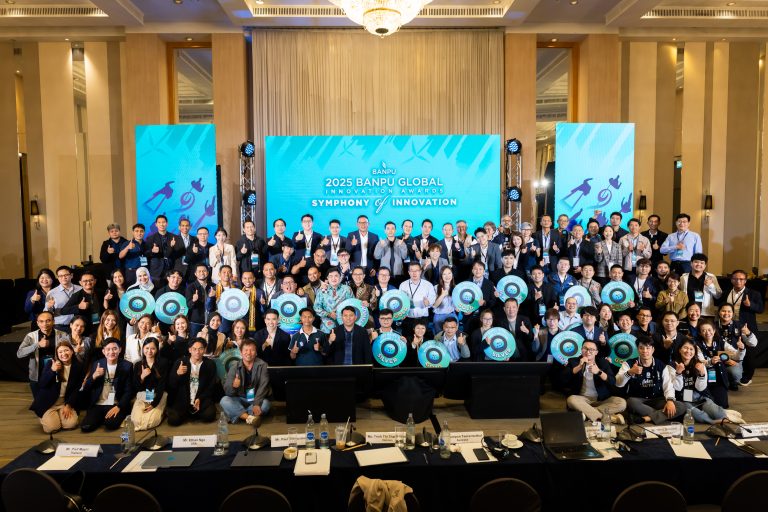
Innovation Management
The Company focuses on cultivating an environment where new ideas can grow and where strategic direction translates into practical action, supporting sustainable growth alongside the energy transition. UnBox iDeas2 serves as a platform for experimentation and collaborative development of innovative solutions, while the Banpu Global Innovation Awards brings together employees from different functions and countries to exchange perspectives, learn from one another, and turn creativity into shared value. These initiatives play an important role in fostering a corporate culture that encourages curiosity, experimentation, and continuous learning.
View More
Learning and Development Solutions
Banpu recognizes capability development as a key driver of sustainable business success amid rapid change and energy transition. The Company designs Learning and Development Solutions to build future-ready leadership, functional, and digital capabilities that align with business strategy and evolving organizational needs. Through an Outcome-Driven Development approach, Banpu ensures that learning translates into measurable performance, innovation, and long-term value creation.
View More
Spending Analysis
The spending analysis has been performed in each country to understand the distribution of expenses within different sectors. From the history records, analysis revealed that 63% of spending in Indonesia is directed towards mining contractors. While in China, 77% of spending is utilized for coal as an energy source.
View More
Common Types of Contractors
The Company has a systematic approach to classifying workers who are not employees. This classification encompasses all workers engaged with the Company, primarily the contractors.<br>Referring to the standards, the number of contractors is counted by headcount. However, there are specific exceptions in mining business in Australia and renewable power business in Japan, where full-time equivalent (FTE) is employed for tracking.
View More
CG Storytelling Contest
The CG Storytelling Contest, themed "Every Story Needs to Be Told," is an innovative approach to deepen employee engagement with corporate governance (CG) best practices. Participants are invited to share their experiences and impressions of colleagues who embody these principles, highlighting real-life examples of integrity and ethical conduct across the Company. The top three stories, celebrated for their inspiration, will be brought to life through video clips and showcased on CG Day.
View More
Customer Relationship Management
While the customer satisfaction survey is regularly conducted, the Company tailors customer relations approach to stay aligned with customer’s thoughts and expectations in each business context. In practice, the approach varies from detailed satisfaction surveys to on-site visits, and from sharing know-how to providing quarterly updates and hosting open houses.
View More
Corporate Community and Social Investment
The Company places great importance on supporting and investing in the development of communities and society with the goal of balancing beneficial value across stakeholders. To ensure a clear direction on community investment, the Company has applied the London Benchmarking Group (LBG) framework as a guideline in categorizing the corporate community investment.
View More
Three Lines of Defense in Compliance Management
To ensure the effectiveness of compliance risk management, the Company has adopted three lines of defense practice. This model structures the roles and responsibilities across the organization to ensure comprehensive oversight and control.<br><br>First Line: Operational departments, which are at the forefront of daily business operations ensure that operations are conducted without being exposed to unnecessary risks by adhering strictly to the policies and guidelines.<br><br>Second Line: Compliance department, which plays an important role in strengthening business units by formulating and assessing policies to align with both laws & regulations and organizational objectives. Besides, when any business concerns arise, the compliance team collaborates closely with the legal department to provide advice for execution.<br><br>Third Line: Internal audit function, which provides an independent assessment of the performance of both the first and second lines, ensuring all business processes are functioning effectively. The Audit Committee oversees this function to ensure alignment with best practices and regulatory requirements.<br><br>In addition, the compliance department promotes awareness and alignment with laws and regulations, fostering a culture of adherence to both internal policies and external regulations.
View More
Management System Certification
The Company maintains environmental and occupational health and safety (OHS) management systems across all business units, with annual internal audits conducted by specialists from headquarters. In addition, the Company engages third parties to conduct independent assessments in selected business units. These certifications are in accordance with ISO 14001: 2015 for environmental management and ISO 45001:2018 for OHS management.
View More
Sustainability Awareness
Recognizing the importance of ESG awareness across all levels, the Company embarked on an internal communication newsletter to provide employees with comprehensive knowledge about ESG principles in user-friendly infographics.
View More
Customer Satisfaction Survey at Mining Business
In 2024, the Company conducted a customer satisfaction survey with the coal customers. The feedback was overwhelmingly positive, showcasing high satisfaction with the quality of coal, professionalism, and the level of engagement from the Company. The customers also emphasized the importance of continually enhancing products and services. This valuable feedback affirms the Company’s commitment to being a reliable and responsible supplier.
View More
CG Storytelling Contest
The CG Storytelling Contest, themed "Every Story Needs to Be Told," is an innovative approach to deepen employee engagement with corporate governance (CG) best practices. Participants are invited to share their experiences and impressions of colleagues who embody these principles, highlighting real-life examples of integrity and ethical conduct across the Company. The top three stories, celebrated for their inspiration, will be brought to life through video clips and showcased on CG Day.
View More
Corporate Community and Social Investment
The Company places great importance on supporting and investing in the development of communities and society with the goal of balancing beneficial value across stakeholders. To ensure a clear direction on community investment, the Company has applied the London Benchmarking Group (LBG) framework as a guideline in categorizing the corporate community investment.
View More
Three Lines of Defense in Compliance Management
To ensure the effectiveness of compliance risk management, the Company has adopted three lines of defense practice. This model structures the roles and responsibilities across the organization to ensure comprehensive oversight and control.<br><br>First Line: Operational departments, which are at the forefront of daily business operations ensure that operations are conducted without being exposed to unnecessary risks by adhering strictly to the policies and guidelines.<br><br>Second Line: Compliance department, which plays an important role in strengthening business units by formulating and assessing policies to align with both laws & regulations and organizational objectives. Besides, when any business concerns arise, the compliance team collaborates closely with the legal department to provide advice for execution.<br><br>Third Line: Internal audit function, which provides an independent assessment of the performance of both the first and second lines, ensuring all business processes are functioning effectively. The Audit Committee oversees this function to ensure alignment with best practices and regulatory requirements.<br><br>In addition, the compliance department promotes awareness and alignment with laws and regulations, fostering a culture of adherence to both internal policies and external regulations.
View More
Management System Certification
The Company maintains environmental and occupational health and safety (OHS) management systems across all business units, with annual internal audits conducted by specialists from headquarters. In addition, the Company engages third parties to conduct independent assessments in selected business units. These certifications are in accordance with ISO 14001: 2015 for environmental management and ISO 45001:2018 for OHS management.
View More
CG Day 2024
CG Day 2024 was held to promote corporate governance awareness and reinforce the “Adhere to Integrity and Ethics” behaviors among employees at all levels. Designed as a hybrid event, the format reflected Banpu’s commitment to inclusivity and adaptability to modern work practices. Highlights activities included a vision-sharing session by senior management and a keynote address by Asst. Prof. Dr. Torplus Yomnak on the theme “Strengthening Integrity: Anti-Corruption Reform for Effective Governance.” The event aligned closely with the Company’s core values, inspiring employees to embrace ethical conduct as an essential foundation of Banpu’s long-term success.
View More
CG Focus Article
"CG Focus" is a featured section in “Banpu Synergy E-Magazine”, a quarterly e-journal reaching employees across all countries where the Company operates. These articles shine a light on CG best practices within the organization and share updates on the updates on CG progress in order to foster understanding and awareness among the employees.
View More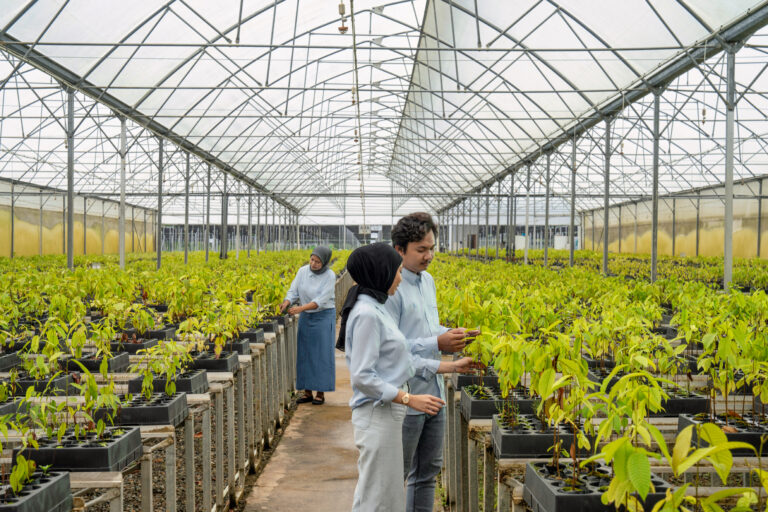
Management of ESG Risk
Home > Highlight Projects > Partnerships > Business Ethics & Transparency > Management of ESG Risk Management of ESG Risk Societal Economic Environment Risk Item Human Capital Capability Cybersecurity & Personal Data Protection Climate Change Risk Appetite • Commit to maintaining a sufficient leadership pipeline for all N-1 and critical N-2 positions. • Commit to […]
View More
Management of Emerging Risks
Home > Highlight Projects > Responsible & Resilient Supply Chain > Management of Emerging Risks Management of Emerging Risks Risk of competitive disadvantages arising from advancements in Artificial Intelligence (AI) Risk of economic downturn affecting the achievement of ESG goals Category Economic Environment Description The rapid evolution of Artificial Intelligence (AI) challenges businesses in integrating […]
View More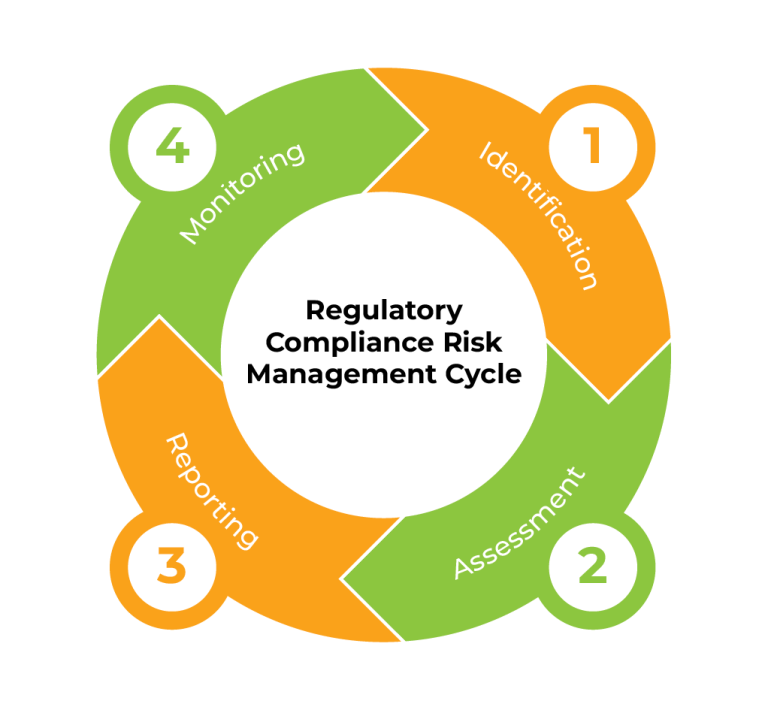
Regulatory Compliance Management
Banpu manages regulatory compliance risk through a structured process known as the Regulatory Compliance Risk Management Cycle, aligned with ISO 37301:2021. The Cycle consists of 4 elements.
View More
Spending Analysis
The spending analysis has been performed in each country to understand the distribution of expenses within different sectors. From the history records, analysis revealed that 63% of spending in Indonesia is directed towards mining contractors. While in China, 77% of spending is utilized for coal as an energy source.
View More
Common Types of Contractors
The Company has a systematic approach to classifying workers who are not employees. This classification encompasses all workers engaged with the Company, primarily the contractors.<br>Referring to the standards, the number of contractors is counted by headcount. However, there are specific exceptions in mining business in Australia and renewable power business in Japan, where full-time equivalent (FTE) is employed for tracking.
View More
Customer Relationship Management
While the customer satisfaction survey is regularly conducted, the Company tailors customer relations approach to stay aligned with customer’s thoughts and expectations in each business context. In practice, the approach varies from detailed satisfaction surveys to on-site visits, and from sharing know-how to providing quarterly updates and hosting open houses.
View More
Sustainability Awareness
Recognizing the importance of ESG awareness across all levels, the Company embarked on an internal communication newsletter to provide employees with comprehensive knowledge about ESG principles in user-friendly infographics.
View More
Customer Satisfaction Survey at Mining Business
In 2024, the Company conducted a customer satisfaction survey with the coal customers. The feedback was overwhelmingly positive, showcasing high satisfaction with the quality of coal, professionalism, and the level of engagement from the Company. The customers also emphasized the importance of continually enhancing products and services. This valuable feedback affirms the Company’s commitment to being a reliable and responsible supplier.
View More
Sustainable Procurement: Reducing Waste and Carbon Footprints
At Banpu, sustainability is at the heart of our procurement strategy. We carefully select suppliers and products that align with our environmental goals, such as reducing waste and minimizing carbon footprints.<br><br>A prime example is our partnership with Lenovo, which has successfully reduced packaging waste by over 70%, demonstrating a strong commitment to sustainability. In line with this, we prioritize efficient bulk packaging, such as packing multiple laptops in a single box, to minimize material use and transportation. In addition, we also select products with a CO2 Offset Service label, supporting climate action projects like reforestation and renewable energy. In 2024, we piloted this new bulk packaging approach with an initial batch of 158 units.<br><br>Through initiatives like these, Banpu is leading by example, making smarter procurement decisions that reduce waste, support climate action, and contribute to a more sustainable future.
View More
Sustainable Procurement: Upcycling in Action
Banpu advances sustainable procurement by sourcing polo shirts made from recycled plastic bottles. This initiative demonstrates our commitment to reducing plastic waste and supporting a circular economy. Each shirt is produced from 15 post-consumer PET bottles, transforming waste into valuable products while reinforcing our responsible sourcing practices.<br><br>Through the purchase of 970 shirts, we have prevented 14,550 plastic bottles from entering the waste stream and avoided 8.3 tonnes of CO₂e emissions. This initiative is part of our continuous efforts to embed ESG considerations into procurement decisions and create a sustainable value chain.
View More
Supplier Capability Building in Indonesia
To elevate safety standards across our Indonesian operations, Banpu organized the Contractors Leadership Forum, bringing together management representatives from 43 contractors to strengthen their safety capabilities. The session addressed key gaps in the Mining Safety Management (SMKP) implementation, including supervisor competency, operational supervisor oversight, internal auditors, training needs analysis, and management involvement. The forum reflects our continued support for contractor development and our commitment to building a safer and more sustainable supply chain.
View More
ESG in Supplier Management
Banpu integrates ESG considerations across the procurement cycle to ensure that all suppliers operate in alignment with the Company’s Supplier Code of Conduct. The approach comprises 4 key steps: ESG Onboarding, ESG Selection, Supplier Classification, and ESG Assessment, reinforcing the Company’s commitment to responsible sourcing and supply chain resilience. The framework draws on internationally recognized references, including ISO 20400 and the UN Guiding Principles on Business and Human Rights. It is designed to address material ESG risks across Tier-1 suppliers and, where relevant, beyond Tier-1 suppliers.
View More English
 Thai